

Long-Term Care Awareness Month: The Importance of Senior Housing

Long-Term Care Awareness Month is recognized every November across the United States. It’s a time dedicated to increasing understanding about the care and daily support older adults often need as they age. This awareness ties closely to the importance of quality senior housing, where residents receive attentive care and meaningful engagement each day. The observance reminds families and communities to look closer at the options available for aging loved ones and the standards of care that shape their well-being.

Why Long-Term Care Awareness Matters

Long-Term Care Awareness Month encourages meaningful discussions about preparing for the years ahead, particularly for older adults who want to maintain independence and comfort as they age. This observance serves as a reminder that planning for long-term care is not something to postpone. It helps individuals and families take a closer look at available options, from financial planning to choosing the right living environment that meets future care needs.

Below are key reasons why long-term care awareness truly matters.

  • Financial readiness: Planning early helps manage future care costs and prevents unexpected financial strain.
  • Peace of mind: Knowing care plans are in place eases stress for both seniors and their families.
  • Better care choices: Awareness enables individuals to explore quality living arrangements, such as senior housing, that align with their personal needs and lifestyles.
  • Family support: It helps loved ones prepare emotionally and practically for caregiving responsibilities.
  • Health preparedness: Understanding potential long-term care needs leads to earlier interventions and improved well-being.

Raising awareness today helps more Americans age with stability and confidence while keeping their future needs within reach.

The Role of Senior Housing in Quality of Life

Senior care facilities and their staff influence how older adults live day to day. These communities focus on reliable care that helps residents feel supported and maintain control over their routines.

Safe Environments

Safety is one of the most important aspects of long-term care. These communities are designed to reduce fall risks, provide emergency response systems, and maintain secure premises that prevent accidents or confusion, especially for residents with cognitive concerns. With trained staff available around the clock, families gain peace of mind knowing that help is always within reach.

Social Connection

Healthy social interaction is a cornerstone of emotional well-being. Organized activities, shared meals, community events, and other engagements create daily opportunities for residents to form friendships and stay engaged. This sense of connection helps reduce feelings of isolation and encourages a more positive outlook on aging.

Professional Support

Access to licensed caregivers, nurses, wellness staff, and relevant professionals ensures residents receive proper medical attention and personal assistance when needed. Professional care also means tailored support, such as medication management, therapy services, rehabilitation programs, and many others that enhance comfort and overall life satisfaction.

Supporting Families Through the Transition

Families and loved ones are deeply affected when planning long-term care, not just the residents themselves. Offering both emotional and practical guidance helps them make confident and informed housing decisions.

Here are some tips for families to make informed housing choices:

  • Start conversations early. Begin discussions before a health crisis happens.
  • Tour and compare. Visit different communities to understand what fits best.
  • Ask detailed questions. Learn about staff, routines, and care levels.
  • Stay involved. Keep open communication even after moving day.
  • Seek support. Use counseling or family groups available through senior housing

When families feel supported and informed, they can make decisions that bring comfort and confidence to everyone involved.

Are you looking for excellent senior housing in Nebraska? Click here ot learn all about Richmont Senior Living!


Richmont Senior Living is proud to serve Ashland, NE and the surrounding cities: Memphis, Springfield, South Bend, Greenwood, Murdock, Waverly, Murdock, Ithaca, and Chalco

Color Therapy in Memory Assisted Living Ashland NE

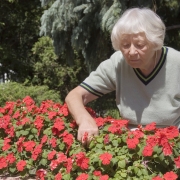
Color therapy, also known as chromotherapy, is a therapeutic approach that utilizes colored light and imagery to address various mental and physical health conditions. These conditions include anxiety, depression, sleep disorders, high blood pressure, certain cancers, and skin infections. This practice has historical roots in ancient Egyptian and Indian Ayurvedic medicine and has experienced a resurgence in popularity. Color therapy is employed globally today, including in memory assisted living Ashland, NE.

In memory care settings, color therapy is a noninvasive method of promoting calmness and stimulation among residents, aiming to enhance cognitive function. By recognizing the influence of colors on emotions, cognition, and behavior, memory care facilities can improve their residents’ overall well-being and quality of life.

Impact of Color Therapy on Memory Patients

Dementia, including Alzheimer’s disease, affects millions of people worldwide, particularly older adults in memory assisted living Ashland, NE. As the condition progresses, individuals often lose the ability to engage with their surroundings, leading to isolation and a diminished quality of life.

Color, known for its effectiveness in learning, memory enhancement, and communication, has emerged as a valuable tool in memory care. Color therapy has demonstrated positive benefits for seniors, such as reducing stress, improving mood, and potentially enhancing cognitive function.

Colors have the power to influence emotions and behaviors. For instance, red can energize someone feeling down or exhausted, while green, reminiscent of nature, helps relieve stress and reduce anxiety—common challenges for dementia patients.

Yellow uplifts mood, and orange and other bright colors can evoke happiness and positivity. Soothing hues like soft blue, pink, lavender, and neutral tones provide calmness, stability, warmth, and comfort, which is essential for individuals experiencing heightened confusion, agitation, or stress. Reducing stress is particularly critical, as it can exacerbate cognitive impairment.

Moreover, color therapy can stimulate mental engagement. Bright, contrasting colors improve focus, attention, and emotional responses while also promoting memory stimulation. By leveraging the psychological and physiological effects of colors, memory care facilities can create holistic, supportive environments that significantly enhance residents’ quality of life.

Types of Color Therapy

Let us explore the various types of color therapy that can potentially improve the quality of life for memory care patients. Each method leverages the psychological and physiological effects of color to create a supportive and therapeutic environment.

Light-Based Therapy

This approach uses colored lights projected onto the patient’s body or within a space to evoke specific emotional and physical responses. For example, blue light can promote calmness and relaxation, while yellow light may uplift mood and energy levels. Light-based therapy is particularly effective in regulating sleep patterns and reducing agitation, which are common challenges for individuals with dementia.

Color-Infused Environments

Another form of color therapy involves using colored fabrics, wall paints, and decorations to create a mood-enhancing atmosphere. Soft greens and blues can transform a room into a tranquil space, reducing stress and anxiety. Warm colors like orange and yellow can make communal areas feel inviting and cheerful, encouraging social interaction and engagement.

Color Visualization

This technique encourages patients to visualize specific colors during guided relaxation exercises. By imagining calming hues like lavender or soft blue, individuals can achieve a state of mental and physical relaxation. This method is beneficial for reducing stress and promoting emotional well-being.

Art and Creative Color Therapy

Engaging patients in art activities using colored paints, crayons, or other materials can stimulate creativity and self-expression. This not only enhances mood but also provides cognitive stimulation, helping to maintain mental sharpness.

Are you looking for an excellent senior community in Nebraska? Click here to learn all about Rihcmont Senior Living!


Richmont Senior Living is proud to serve Ashland, NE and the surrounding cities: Memphis, Springfield, South Bend, Greenwood, Murdock, Waverly, Murdock, Ithaca, and Chalco

Celebrating National Grilling Month in Senior Housing Ashland NE

July is National Grilling Month, and there’s no better way to celebrate than by gathering with your loved ones at senior housing Ashland NE! This special occasion presents a perfect opportunity for residents and their families to savor delicious food and cherished family recipes, all while catching up and creating new memories.

The grilling possibilities are endless: from savory lamb skewers and perfectly grilled salmon to sticky, flavorful ribs, classic burgers and hot dogs, or even an array of fresh grilled veggies. Whether you envision a simple, intimate gathering with close family and friends or a grander evening filled with live music and laughter, the National Grilling Month is all about savoring incredible grilled flavors and the pure joy that connection brings to everyone.

So, fire up the grill and get ready to enjoy a fantastic National Grilling Month celebration!

Grilling as a Summer Tradition

Longer, warmer days create the perfect opportunity for outdoor picnics and BBQ-themed gatherings in senior living communities. These events bring residents and staff together, fostering a strong sense of connection and belonging. Shared meals in the sunshine encourage lively conversations and new friendships, helping to combat feelings of loneliness and isolation.

Beyond socialization, outdoor cookouts offer numerous wellness benefits. The change of scenery and fresh air stimulate the mind, enhancing focus and memory while invigorating the body. Exposure to natural sunlight also boosts Vitamin D production, supporting immune health, strong bones, and a balanced mood.

Nutritious grilled meals—packed with lean proteins and fresh vegetables—provide essential vitamins and minerals to keep seniors energized and healthy. The process of grilling itself promotes cognitive engagement, as it requires patience, attention, and creativity, giving residents a rewarding sense of accomplishment.

At senior housing communities like those in assisted living Ashland NE, themed BBQ events add excitement to daily routines. Residents eagerly anticipate these gatherings, where they can savor delicious food—both classic favorites and new dishes—while enjoying music, laughter, and cherished memories. Whether reminiscing over treasured family recipes or creating new traditions, cookouts offer a joyful, multisensory experience.

By combining great food, friendship, and fun, BBQs become more than just meals—they’re a holistic way to enhance physical, mental, and emotional well-being for seniors. These gatherings create lasting memories and a vibrant sense of community, making every cookout a celebration of life.

Tips for Hosting a Safe, Fun Cookout

Summer cookouts bring joy and excitement to assisted living communities, but prioritizing safety and comfort ensures all residents can fully enjoy the experience. Thoughtful planning transforms these gatherings into memorable, worry-free occasions.

  1. Resident-Friendly Menu Planning
    Begin by creating a menu that accommodates a range of dietary needs and medical conditions. While classic BBQ favorites like steak and burgers are always welcome, be sure to include softer, lighter options such as grilled fish, chicken, and vegetable skewers. Don’t forget beloved sides like creamy potato salad, buttered corn on the cob, or fresh fruit platters—dishes that are both delicious and easy to enjoy.
  2. Sun Safety First
    Seniors are particularly vulnerable to heat-related illnesses, so creating a shaded, calm environment is essential. Set up umbrellas, canopies, or pop-up tents to provide ample shade, and arrange seating in breezy, covered areas. This helps prevent dehydration, heat exhaustion, and overheating while allowing residents to socialize comfortably.
  3. Hydration Stations
    Keep refreshing beverages within easy reach to encourage frequent hydration. Alongside water, offer infused fruit waters (like cucumber-mint or lemon-berry), iced herbal teas, or natural fruit juices. Consider setting up a self-serve drink station to allow residents to stay calm and hydrated throughout the event.

With these considerations in place, summer cookouts become more than just meals—they’re safe, inclusive, and delightful celebrations that bring residents together under the sunny skies.

Grilling Month in Ashland NE: A Community Affair

July is National Grilling Month, and at the assisted living community in Ashland, NE, we’re turning it into a true family celebration. The most successful cookouts are those shared not just among residents but with their loved ones and local partners, creating unforgettable moments for all generations.

There’s something magical about watching residents rediscover family recipes brought by their children, or savoring mouthwatering specialties prepared by our favorite local caterers and food trucks. These collaborations do more than just expand our menu options – they weave tighter bonds between our residents, their families, and the broader Ashland community.

By involving multiple stakeholders, we elevate a simple BBQ into a vibrant community event. The air fills with laughter, the sharing of cherished stories, and that irresistible smoky aroma of grilling. Grilling Month becomes more than just delicious food – it’s about nurturing connections, bridging generations, and creating new memories that will be treasured long after the last burger is served.

At its heart, this celebration reminds us that good food tastes even better when shared with good company. Together, we’re proving that assisted living communities can be the heart of meaningful community gatherings.


Richmont Senior Living is proud to serve Ashland, NE and the surrounding cities: Memphis, Springfield, South Bend, Greenwood, Murdock, Waverly, Murdock, Ithaca, and Chalco

How To Plan Physical Fitness Days in Senior Housing

Regular physical activity is vital in maintaining overall well-being as people age. It supports mobility, enhances energy levels, and creates a greater sense of independence. In senior housing communities, structured fitness days provide opportunities to engage in movement tailored to individual needs.

Staying active offers a range of health benefits, both immediate and long-term:

  • Encourages more profound, more restful sleep
  • Eases stress and nervousness
  • It helps regulate blood pressure
  • It keeps the mind sharp and lowers the risk of cognitive decline
  • It supports heart function and lowers the chances of cardiovascular issues and diabetes
  • Reduces the likelihood of certain cancers
  • Aids in weight control
  • Strengthens bones and improves stability
  • Lowers the risk of tripping or losing balance
  • It helps individuals maintain self-sufficiency for longer

Incorporating dedicated fitness days within a community setting encourages participation and fosters a culture of wellness.

Planning Physical Fitness Days in Senior Housing

Organizing Physical Fitness Days ensures that residents stay active while enjoying social interaction. Thoughtfully selecting activities helps accommodate different mobility levels and interests. By making sessions engaging and accessible, residents are more likely to participate and benefit from regular movement. Carefully planned activities contribute to overall well-being in senior housing.

Here are some tips for planning Physical Fitness Days:

  • Include low-impact exercises such as yoga, walking, and chair aerobics. These activities improve mobility and circulation without stressing the joints.
  • Plan group activities like dancing or team games. Social and interactive exercises help build connections and keep participants engaged.
  • Offer strength and balance exercises to reduce fall risks. Simple resistance movements and stability drills enhance coordination and prevent injuries.
  • Incorporate stretching sessions to improve flexibility. Gentle stretching helps maintain range of motion and ease muscle stiffness.
  • Provide outdoor activities like gardening or nature walks for fresh air. Exposure to natural surroundings promotes mental well-being and vitamin D absorption.
  • Schedule relaxation techniques such as tai chi or guided breathing exercises. These activities help reduce stress, improve focus, and support overall relaxation.
  • Ensure activities are adaptable for different ability levels. Modifications allow all residents to participate comfortably, regardless of physical limitations.
  • Use upbeat music to make sessions more enjoyable. Rhythmic beats boost energy, encourage movement, and create a lively atmosphere.
  • Encourage social interaction through partner or small-group exercises. Working in pairs or groups fosters motivation and a sense of community.
  • Offer hydration stations to keep residents refreshed. Easy access to water helps prevent dehydration, especially during physical activities.
  • Consult with healthcare professionals to ensure safety and suitability. Expert guidance ensures exercises align with individual health conditions and needs.

Involving Residents and Staff

Physical Fitness Days can never be successful without the engagement and contribution of both staff and residents. Their active participation ensures that activities are enjoyable, inclusive, and beneficial.

To foster involvement, consider the following strategies:

  • Encourage resident participation through personalized invitations. A friendly, tailored approach makes residents feel valued and motivated to join.
  • Train staff to assist and motivate residents during activities. Well-prepared staff can offer support, boost confidence, and enhance the experience.
  • Seek resident input when planning events. Gathering feedback helps tailor activities to their interests and abilities.
  • Recognize participation with small rewards or acknowledgments. A simple certificate or verbal praise can encourage ongoing engagement.
  • Create a fun and welcoming environment. Positive energy and encouragement make activities more enjoyable.

By working together, staff and residents in senior housing can make Physical Fitness Days a rewarding experience.

Looking for excellent senior living in Nebraska? Click here to learn about Richmont Senior Living!


Richmont Senior Living is proud to serve Ashland, NE and the surrounding cities: Memphis, Springfield, South Bend, Greenwood, Murdock, Waverly, Murdock, Ithaca, and Chalco

Transitioning to Assisted Living Facilities: Tips for a Smooth Move

Transitioning to assisted living is a life-changing decision for all parties involved. Leaving home, which has been a comforting and safe place all these years, having to let go of possessions, downsizing, and adapting to a new environment are just some of the hurdles that families and seniors must face. Seniors may feel unwanted and experience anxiety and loss. At the same time, families are left with the duties of arranging the move logistically, ensuring loved ones are safe and comfortable while taking care of the financial management for a successful transition.

Preparing To Move To Assisted Living Facilities

Downsizing is often the first step in preparing for assisted living. This process can be emotionally challenging, as parting with possessions, especially those connected to cherished memories and loved ones, can feel like losing a part of their personal history.

To make downsizing more manageable:

  • Start early: Begin the process well in advance to avoid feeling rushed and overwhelmed.
  • Involve your loved one: Encourage active participation in decision-making. This empowers them and helps them maintain a sense of control.
  • Focus on positive memories: Guide them to select items that evoke positive memories and bring them joy.
  • Prioritize essentials and comforts: Focus on comfortable, season-appropriate clothing, family mementos, and personal care items.
  • Consider the new space: Be mindful of the size of their new living space to avoid overcrowding, which can increase the risk of falls and create a cluttered environment.
  • Bring familiar comforts: Encourage them to bring items that will make their new space feel familiar and comforting, such as a favorite armchair, a cherished quilt, or a collection of books.

Making the new space feel like home

Personalizing the new space is essential for creating a sense of home in assisted living. A space that feels familiar and comfortable can significantly reduce anxiety, stress, loneliness, and depression while also triggering positive memories.

To personalize the space:

  • Bring familiar furniture and décor: Include familiar items like a favorite armchair, bedside table, artwork, and decorative objects.
  • Use familiar textiles: Incorporate familiar curtains, bedding, blankets, and rugs to create a sense of continuity and comfort.
  • Display personal photos and mementos: Small items like family photos can transform a room into a cozy and welcoming space, reminding residents of their loved ones and life experiences.

Building Relationships in Assisted Living Facilities

Building strong relationships is crucial for a fulfilling experience in assisted living facilities. This includes connecting with fellow residents, staff, and, importantly, the caregivers. These connections enhance daily interactions and offer families peace of mind, knowing their loved one is in trusted hands.

To foster positive relationships:

  • Introduce the primary caregiver: Facilitate a meeting between your loved one and the caregiver. This fosters trust, improves communication, and helps the caregiver better understand the resident’s needs and preferences. This direct connection also reassures family members.
  • Encourage social engagement: Family members can play a vital role in encouraging their loved ones to engage with other residents and staff.
  • Facilitate participation in activities: Encourage participation in interest groups and activities to help residents connect with others who share similar hobbies and interests.

Addressing the emotional and logistical aspects can help with a smooth transition and create a positive and enriching experience. Open communication, careful planning, and a focus on creating a homelike environment are key to a successful transition.

Looking for excellent senior care in Nebraska? Click here to learn more about Richmont Senior Living!


Richmont Senior Living is proud to serve Ashland, NE and the surrounding cities: Memphis, Springfield, South Bend, Greenwood, Murdock, Waverly, Murdock, Ithaca, and Chalco

Blindness Awareness Month in Assisted Living

Blindness Awareness Month is an essential opportunity for assisted living communities to focus on the unique needs of residents with visual impairments. These facilities must create an environment that supports accessibility and fosters inclusivity. Assisted living centers can raise awareness, offer tailored support, and implement adaptive technologies to enhance the quality of life for visually impaired residents. By promoting understanding and accessibility, Blindness Awareness Month can help all residents flourish and remain engaged in their community.

Blindness Awareness Month

This annual occasion focuses on the blind and visually impaired community. This month, more focus is placed on the realities of living without sight. This commemoration started in 2009 when a local organization launched a foundation to serve families with blind or visually impaired children. Among the activities to accomplish within the month are the following.

  • Advocacy – This is done by gaining support to have more access to resources, research, and laws enabling people with visual impairments to live a fully productive life and contribute to their communities
  • Education – The public is given a lecture about good eye health, including the latest update on research and innovations in treating eye disorders
  • Inspiration – The blind and visually impaired also have stories to tell, sharing accomplishments of incredible things that most sighted individuals dare not attempt

How to Cope with Worsening Vision in Assisted Living

You should know that having a visual impairment is a highly emotional experience. The loss of sight can be frightening and may come without anticipation. Moreover, those newly diagnosed patients often find it hard as they struggle with depression and grief. Fortunately, there are healthy coping mechanisms that will work best for people with visual impairment in assisted living.

  • Reaching out to a professional can allow you to convey your feelings in a safe environment.
  • Being honest with friends and family instead of withdrawing or hiding details from them.
  • Connecting with other patients or sharing experiences with others can be a powerful source of strength.
  • Taking time to meditate and practice mindfulness.
  • Finding and enrolling in a lifestyle adjustment course.
  • Using a service animal to help you navigate the surroundings.

It is pretty difficult to be diagnosed with imminent vision loss, but you can prepare for the future using the following tips.

  • Learn about blindness and what your diagnosis says
  • Find support from people who care about your condition
  • You may also talk to your employer about your impending vision loss to arrange a way for you to continue working as a blind professional
  • You may sign up for national organizations to help you adapt to life with vision loss
  • Get your home organized so that you can navigate through it a bit easier after you lose your vision

There are also other ways to cope with vision loss and grief in assisted living, such as the following.

  • While it can be different for others, you only need to be patient with yourself.
  • Learn more about your vision loss during the grieving process
  • Avoid isolating yourself by talking to someone you trust
  • Ask for professional help from counselors because they can help provide solutions to process grief

Looking for excellent senior care in Nebraska? Click here to learn more about RIhcmont Senior Living!


Richmont Senior Living is proud to serve Ashland, NE and the surrounding cities: Memphis, Springfield, South Bend, Greenwood, Murdock, Waverly, Murdock, Ithaca, and Chalco

The Importance of Family Involvement in Facilities for Alzheimer’s

Alzheimer’s is a condition that profoundly affects not only individuals but also their families. Family involvement is essential in the care of residents in facilities for Alzheimer’s, playing a crucial role in supporting the emotional and psychological well-being of their loved ones. The presence of family members provides comfort, reduces anxiety and depression, and has a significant positive impact on overall well-being.

Families also offer valuable insights to nursing care assistants by sharing their loved ones’ preferences, routines, and personal history. This information allows for more personalized and effective care. Moreover, staying connected helps individuals with Alzheimer’s or dementia maintain their sense of identity and dignity, while also easing the emotional and practical burdens on caregivers.

In summary, active family involvement greatly benefits everyone involved—residents, families, and caregivers alike.

Why Family Engagement Matters

Family support and involvement play a vital role in the well-being of individuals living with Alzheimer’s. As many patients experience confusion, agitation, and cognitive changes, the presence of familiar faces in an unfamiliar environment, like facilities for Alzheimer’s, offers emotional comfort and a sense of security. This connection significantly reduces stress, anxiety, and behavioral disturbances.

Beyond emotional support, families provide essential insights into their loved one’s personal history—details about their routines, food preferences, music tastes, and hobbies. This valuable information enables caregivers and nursing staff to deliver more personalized, compassionate care that genuinely respects and honors the individual’s identity.

Regular visits from family members also allow for ongoing participation in care planning and behavioral monitoring. This involvement ensures timely medical support, reinforces medication adherence, and helps caregivers adjust care strategies based on observed changes in the patient’s condition. Family members become advocates for their loved ones, ensuring that their unique needs are continuously recognized and met.

Most importantly, family engagement fosters a collaborative care environment built on trust, empathy, and shared responsibility. When families and caregivers work together, it strengthens relationships and enhances the overall quality of care. Ultimately, active family involvement benefits everyone, supporting the patient’s dignity and comfort, empowering caregivers with deeper insight, and providing families with peace of mind.

Ways to Stay Involved in Facilities for Alzheimer’s

Even the smallest gestures can make a profound difference in the lives of loved ones living with Alzheimer’s. As highlighted by the Alzheimer’s Association, there are many thoughtful ways for families to stay connected while sensitively addressing their needs.

Engaging in familiar activities can spark joyful connections and evoke positive emotions. Consider watching favorite movies, listening to cherished music, preparing beloved family dishes together, or simply reminiscing over old photographs. These shared experiences can create moments of comfort and connection.

Beyond entertainment and social engagement, practical family support is invaluable. Offering help with daily activities significantly eases the burden on primary caregivers, providing them much-needed time to recharge. This ensures caregivers can continue to deliver the highest quality of care to your loved ones.

For family members who live far away, video calls and messaging services offer an excellent way to maintain regular contact. These digital connections can effectively reduce feelings of loneliness and isolation, keeping distant relatives an active part of their lives.

Finally, accompanying loved ones to their doctor’s appointments is more than just practical assistance; it’s a meaningful act of support. It not only helps everyone better understand the nuances of Alzheimer’s but also fosters a more profound, supportive connection during a critical time.

Overcoming Communication Challenges

Communication is essential for maintaining meaningful connections. While it can be challenging at times, there are effective strategies to help ease frustration and foster stronger bonds.

First and foremost, active listening is vital. It helps prevent misunderstandings and reassures your loved ones that their thoughts and feelings are valued. Rather than pressuring them to remember specific details, focus more on understanding and validating their emotions.

Practice patience and calmness during conversations. When verbal communication becomes difficult, non-verbal cues—such as eye contact, gentle touch, and facial expressions—can significantly enhance connection. Activities like listening to soothing music or engaging in art can also open pathways to meaningful interaction.

By prioritizing emotional connection over perfect communication, families and caregivers can bridge gaps and deepen their bonds with their loved ones.

If you’re looking for excellent senior care in Nebraska, click here to learn more about Richmont Senior Living!


Richmont Senior Living is proud to serve Ashland, NE and the surrounding cities: Memphis, Springfield, South Bend, Greenwood, Murdock, Waverly, Murdock, Ithaca, and Chalco
Recognizing American Heart Month in Senior Housing

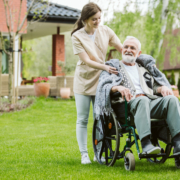
February is American Heart Month, a vital time for everyone, especially seniors, to focus on cardiovascular health. This annual observance is crucial for raising awareness about the importance of a healthy heart. Cardiovascular disease is a leading cause of death and a costly health issue in the United States.

American Heart Month provides a valuable opportunity to educate senior housing residents about the importance of heart health, empowering them to live longer and healthier lives. Understanding the risks associated with aging helps seniors maintain healthy habits for longevity. Prioritizing heart health is not just about adding years to life; it’s about adding life to those years, ensuring they are fulfilling and vibrant.

Heart-Healthy Initiatives in Senior Housing

Let’s Get Physical

Physical activity is one of the most significant factors in adopting and maintaining a healthy lifestyle. Beginning the day with at least 30 minutes of exercise can dramatically improve heart health. Organizing morning walks for residents and staff encourages social interaction and regular activity.

Light indoor exercises also enhance balance, flexibility, and overall cardiovascular health. Offering chair exercises for residents with limited mobility ensures inclusivity and allows everyone to benefit from physical activity. Regular exercise strengthens the heart, enabling it to pump blood more efficiently and deliver oxygen and essential nutrients to the body’s organs.

Educational Programs

Educational programs focusing on proper diet and nutrition are equally vital. Seniors must understand the importance of portion control, carefully reading food labels and the crucial role of vegetables, whole grains, and fruits in maintaining a healthy heart. Inviting a registered dietitian or nutritionist to lead diet and nutrition talks provides expert advice and offers practical meal plan samples.

Sharing easy-to-prepare, heart-healthy recipes encourages residents to incorporate nutritious meals into their daily routines. Empowering seniors to make informed food choices is a key component of heart health.

Monthly Check-Ups

In addition to residents’ individual doctor’s appointments, organizing monthly general check-ups for all residents allows for early detection and effective management of potential heart disease. If an in-house doctor is unavailable, partnering with community health groups, healthcare providers, or relevant organizations can facilitate blood pressure monitoring, cholesterol screenings, and other essential health assessments. Making these services readily accessible within the senior living community encourages proactive health management.

Through these comprehensive initiatives, residents can make the necessary lifestyle adjustments to achieve optimal heart health and an improved quality of life. These programs educate and empower seniors to take control of their cardiovascular well-being, promoting a healthier and more vibrant community.

Community Engagement for Awareness

Raising awareness about heart health is most effective when residents of senior housing communities are actively engaged. External outreach from healthcare professionals is vital in reinforcing these crucial messages. True success in promoting cardiovascular health relies on a collaborative approach.

Knowledge is power, and it is essential to partner with doctors, experts, and heart specialists to conduct thorough, informative sessions. These sessions provide a valuable platform for residents, their families, and staff to openly ask questions about heart conditions, risk factors, preventive measures, and other related concerns.

Furthermore, these informative sessions can equip participants with practical skills, including knowledge of first aid for heart emergencies. Collaborating with local hospitals and healthcare providers is key to accessing relevant resources and ensuring the success of these vital events.

Another powerful strategy is sharing personal experiences through testimonials. Inviting residents who have experienced cardiovascular issues to share their stories can be incredibly impactful. Personal accounts offer practical tips, valuable information, and a shared understanding, helping others manage their conditions and inspiring positive change.

Click here to find excellent senior care in Nebraska at Richmont Senior Living!


Richmont Senior Living is proud to serve Ashland, NE and the surrounding cities: Memphis, Springfield, South Bend, Greenwood, Murdock, Waverly, Murdock, Ithaca, and Chalco

How to Spread Christmas Cheer in Facilities for Alzheimer’s

The holiday season is a time of warmth, joy, and togetherness, yet for residents living in Facilities for Alzheimer’s, the celebrations require a thoughtful, gentle approach. Christmas can spark meaningful memories, but it may also create confusion or overwhelm when environments become too noisy or unfamiliar. With careful planning, families and caregivers can help residents feel safe, comforted, and connected during this special time of year.

Understanding Residents’ Seasonal Needs

People living with Alzheimer’s often thrive in predictable, calm environments. Holiday festivities with bright lights, busy schedules, and loud gatherings can easily lead to overstimulation. That’s why Facilities for Alzheimer’s focus on creating celebrations that balance festivity with familiarity.

  • Avoiding overstimulation – Large crowds, flashing lights, or loud music can trigger agitation or confusion. Communities keep activities small, peaceful, and predictable.
  • Tailored holiday events – According to senior care experts, thoughtful programming, such as simple ornament-making or soft holiday music, helps residents experience joy without feeling overwhelmed. Structured activities also support emotional well-being during a season that can stir deep memories.

This mindful approach ensures residents enjoy the season comfortably and safely.

Joyful and straightforward Ways to Bring Cheer

Spreading Christmas cheer doesn’t require elaborate events. What matters most is simplicity, familiarity, and sensory comfort.

  • Holiday music – Soft carols or familiar tunes often spark recognition and soothe anxiety.
  • Baking together – Decorating cookies or enjoying the scent of cinnamon and vanilla can trigger positive memories.
  • Crafting activities – Making paper snowflakes, simple ornaments, or holiday cards provides creative expression without overwhelming steps.
  • Familiar traditions – Reading classic holiday stories, lighting candles (battery-operated for safety), or watching beloved seasonal movies helps residents feel grounded.
  • Sensory experiences – Warm blankets, gentle lighting, or seasonal scents like pine or peppermint add comfort.

These meaningful yet gentle experiences allow residents to celebrate with ease and joy.

Involving Families in Safe, Meaningful Ways

Family participation greatly enhances the holiday season. With the proper structure, visits can be warm, supportive, and stress-free.

  • Small gatherings – Short, calm visits in quieter spaces help prevent fatigue and confusion.
  • Thoughtful gift ideas – Items like soft blankets, familiar music playlists, scented lotions, or photo memory books provide comfort without overwhelming the senses.
  • Supportive environment – Facilities guide families on how to interact and communicate gently, and to create moments rooted in reassurance rather than expectation.

These simple gestures keep residents connected to loved ones while honoring their cognitive needs.

Creating a Comforting Christmas Environment

A calm, cozy atmosphere helps residents feel secure during the holidays. Facilities for Alzheimer’s carefully design spaces to be festive yet soothing.

  • Warm, soft lighting – Avoid harsh blinking lights; instead, use warm-toned string lights or lamps to create a peaceful glow.
  • Simple decorations – Familiar, non-cluttered decorations like wreaths, soft garlands, or classic holiday colors help residents enjoy the season without sensory overload.
  • Safe layouts – Clear walkways, secured décor, and stable furniture ensure residents move safely throughout the community.
  • Cozy touches – Items like plush pillows, seasonal blankets, holiday scents, or gentle background music help create a homelike atmosphere.
  • Calming spaces – Quiet corners with rocking chairs or reading nooks offer comfort when residents need a break from activity.

With these thoughtful adjustments, communities create environments where residents feel safe, joyful, and emotionally supported.

Looking for an excellent senior community in Nebraska? Click here to learn all about Richmont Senior Living!


Richmont Senior Living is proud to serve Ashland, NE and the surrounding cities: Memphis, Springfield, South Bend, Greenwood, Murdock, Waverly, Murdock, Ithaca, and Chalco

Our Thank You to You: Celebrating National Volunteers Month

Every December, communities nationwide celebrate National Volunteers Month, a time dedicated to recognizing individuals whose kindness, energy, and compassion enrich the lives of others. In Senior Housing Ashland NE, volunteers play an irreplaceable role in building a warm, connected, and emotionally uplifting environment for residents. Their presence brings joy, companionship, and meaningful engagement, making them an essential part of the community’s heart.

The Importance of Volunteers in Senior Communities

Volunteers contribute far more than their time. They bring a sense of connection and purpose that profoundly impacts residents’ social and emotional well-being. Studies show that regular social interaction, shared activities, and meaningful conversation help improve mood, reduce loneliness, and even support cognitive health among older adults.

In Senior Housing Ashland NE, volunteers step into a variety of roles that enrich daily life:

  • Companionship and social connection – Volunteers chat with residents, read to them, play games, or simply offer a friendly presence. These interactions create moments of joy and reduce feelings of isolation.
  • Activity support – Volunteers help facilitate art classes, music sessions, exercise groups, and community events, enabling residents to participate more fully.
  • Emotional impact – Their compassion fosters a sense of belonging and boosts residents’ confidence and overall well-being.
  • Specialized assistance – Some volunteers bring unique skills, such as musical talents, therapy pets, or storytelling, which create uplifting experiences for residents.

Their involvement strengthens the community and allows residents to feel valued, supported, and connected.

Honoring Volunteers During National Volunteers Month

National Volunteers Month is a perfect opportunity to express gratitude to the individuals who generously give their time. In Senior Housing Ashland NE, communities often celebrate volunteers with thoughtful gestures such as:

  • Thank-you luncheons or recognition events, where residents and staff come together to acknowledge the volunteers’ contributions.
  • Personalized appreciation notes, crafted by residents or staff, offering heartfelt thanks.
  • Recognition walls or displays that highlight volunteer stories and photos throughout the month.
  • Small tokens of appreciation, such as certificates, handmade gifts, or commemorative keepsakes.

These gestures remind volunteers of the true meaning of their service and foster a culture of gratitude within the community.

Resident Participation in Celebration

Residents play a central role in expressing appreciation, and their involvement makes the celebration even more meaningful. Many enjoy contributing to the festivities through:

  • Handwritten thank-you notes that express genuine gratitude.
  • Resident-made artwork or crafts gifted to volunteers.
  • Storytelling or memory sharing, where residents speak about meaningful moments they’ve shared with volunteers.

Encouraging Continued Community Engagement

National Volunteers Month is also an excellent time to invite new volunteers, whether family members, students, neighbors, or local groups, to become part of the community at Senior Housing Ashland NE. Volunteering offers valuable opportunities to build relationships, spread joy, and make a lasting impact on seniors who thrive through companionship and engagement.

By welcoming new volunteers and celebrating current ones, the community strengthens its foundation of compassion and connection. Their contributions help create an atmosphere where residents feel supported, appreciated, and truly at home.

Ready to live in an excellent senior care community? Click here to learn all about Richmont Senior Living!


Richmont Senior Living is proud to serve Ashland, NE and the surrounding cities: Memphis, Springfield, South Bend, Greenwood, Murdock, Waverly, Murdock, Ithaca, and Chalco