

The Importance of Comfort in Facilities for Alzheimer’s

Comfort is a fundamental part of quality care, especially for individuals living with Alzheimer’s. As cognitive changes progress, familiar surroundings and a sense of ease become increasingly important in supporting emotional stability and daily functioning. In Alzheimer’s care facilities, comfort is not just about physical relaxation; it also includes emotional reassurance and a supportive environment that helps residents feel safe, secure, and understood.

National Comfort Month highlights how small adjustments in the environment and care can significantly improve residents’ well-being. For residents with memory loss, discomfort can lead to increased confusion, agitation, or withdrawal, which puts their day or even week in a bad light. By prioritizing comfort in all aspects of daily life, memory care communities can reduce stress, improve mood, and create a more positive living experience.

Physical Comfort in Facilities for Alzheimer’s

Physical comfort plays a key role in helping residents feel secure and at ease. In facilities for Alzheimer’s, thoughtfully designed spaces can reduce confusion while promoting relaxation and independence.

  • Comfortable, supportive furniture that is easy to use and safe for mobility needs
  • Soft, non-glare lighting that reduces eye strain and creates a calming atmosphere
  • Clear, simple room layouts that minimize confusion and support easy navigation
  • Quiet spaces that reduce noise and overstimulation
  • Temperature-controlled environments to maintain consistent comfort throughout the day
  • Accessible personal spaces that allow residents to move safely and confidently

Attention to these details helps create an environment where residents can relax without unnecessary stress or discomfort. Even small changes, such as proper lighting or reducing clutter, can make a meaningful difference in how residents experience their surroundings.

Emotional and Psychological Comfort

Emotional comfort is just as important as physical surroundings and structure in facilities for Alzheimer’s. Familiarity, routine, and personal connection help residents feel grounded and secure despite cognitive changes.

  • Consistent daily routines that provide structure and reduce uncertainty
  • Personal belongings such as photos, favorite items, or keepsakes that create a sense of home
  • Familiar activities that encourage recognition and positive memories
  • Gentle communication and reassurance from caregivers to reduce anxiety
  • Opportunities for social interaction to maintain connection and belonging
  • Calm, supportive environments that help residents feel respected and valued

These approaches help create emotional stability, allowing residents to feel more relaxed and engaged in their daily lives and routines. These elements help residents feel grounded and connected, even when cognitive challenges arise. Emotional comfort can also reduce behavioral symptoms such as agitation or confusion.

True comfort in facilities for Alzheimer’s comes from combining physical and emotional support into a cohesive care approach that prioritizes residents’ well-being. Staff training, family involvement, and consistent routines all contribute to a more comfortable experience for residents.

Caregivers who understand individual preferences, including favorite activities, music, and daily habits, can tailor care in meaningful ways. Family members, both near and far, also play an important role by providing personal items that evoke good memories or by sharing insights about a resident’s history and preferences.


Richmont Senior Living is proud to serve Ashland, NE and the surrounding cities: Memphis, Springfield, South Bend, Greenwood, Murdock, Waverly, Murdock, Ithaca, and Chalco


Ways to Help Treat Arthritis in Assisted Living

Arthritis is one of the most common chronic conditions affecting older adults, making it a significant concern in assisted living communities. Characterized by joint pain, stiffness, and inflammation, arthritis can limit mobility and interfere with daily activities. 

For many residents, even simple tasks such as walking, dressing, or holding objects may become challenging. Arthritis Awareness Month highlights the importance of early recognition, proper treatment, and supportive care to help individuals maintain comfort and independence.

Although arthritis is often a long-term condition, it can be effectively managed through a combination of medical care, physical activity, and lifestyle adjustments. In assisted living settings, structured support and personalized care plans enable residents to manage symptoms while maintaining a good quality of life.

Common Symptoms and Challenges

Arthritis can present in various forms, including osteoarthritis and rheumatoid arthritis, but most share similar symptoms that affect daily functioning. In assisted living, understanding these challenges allows caregivers to provide timely and appropriate support.

  • Persistent joint pain, stiffness, or swelling, especially in the knees, hips, hands, and spine
  • Reduced flexibility and range of motion, making movement more difficult
  • Difficulty with balance and coordination, increasing the risk of falls
  • Fatigue caused by chronic discomfort and limited mobility
  • Joint tenderness, warmth, or redness in affected areas
  • Challenges in performing daily activities such as bathing, dressing, or cooking

These symptoms can impact not only physical health but also emotional well-being. Residents may feel frustrated or discouraged when their independence is affected, which is why compassionate care is essential.

Treatment Options

Managing arthritis in assisted living involves a comprehensive approach that combines medical treatment with supportive daily practices. With consistent care, many residents can experience reduced pain and improved mobility.

  • Medication management to help reduce inflammation and control pain, under the guidance of healthcare professionals
  • Physical therapy programs designed to strengthen muscles, improve flexibility, and support joint function
  • Low-impact exercises such as walking, stretching, or water-based activities to maintain mobility without overstraining joints
  • Assistive devices like walkers, canes, or adaptive tools can reduce pressure on joints and support independence
  • Hot and cold therapy to relieve stiffness and soothe sore joints
  • Balanced nutrition, including anti-inflammatory foods, to support overall health and joint function
  • Weight management to reduce stress on weight-bearing joints

These treatment options are most effective when tailored to each resident’s needs and abilities.

Beyond medical treatment, daily habits and environmental support play a crucial role in managing arthritis. Care givers and staff can help residents adopt routines that promote comfort and long-term wellness.

  • Encouraging regular movement while allowing adequate time for rest and recovery
  • Providing safe, accessible living spaces that reduce strain and prevent injury
  • Offering wellness programs that promote physical activity and social engagement
  • Assisting with daily tasks when needed to prevent overexertion
  • Promoting positive mental health through social interaction and emotional support

Supporting arthritis care in assisted living requires a thoughtful and consistent approach. By combining medical treatment, physical activity, and supportive daily practices, communities can help residents manage pain, maintain mobility, and preserve independence. With the right care and environment, individuals living with arthritis can continue to lead active, comfortable, and fulfilling lives.

Looking for excellent senior care in Nebraska? Click here to learn about Richmont Senior Living!


Richmont Senior Living is proud to serve Ashland, NE and the surrounding cities: Memphis, Springfield, South Bend, Greenwood, Murdock, Waverly, Murdock, Ithaca, and Chalco
Healthy Ways to Cope with Anxiety in Senior Housing Ashland NE

Anxiety is a common yet often overlooked concern among older adults. Life changes such as retirement, health conditions, or adjusting to a new environment can contribute to increased worry or emotional stress. In Senior Housing Ashland NE, recognizing and addressing anxiety is essential to supporting residents’ overall well-being.

Anxiety Awareness Month serves as a reminder that mental health deserves attention at every stage of life. With the right coping strategies and supportive environments, seniors can manage anxiety more effectively and continue to enjoy a fulfilling, balanced lifestyle. By encouraging awareness and open communication, senior living communities can help residents feel more secure, understood, and empowered.

Recognizing Anxiety Symptoms

Understanding the signs of anxiety is the first step in providing meaningful support. In Senior Housing Ashland NE, caregivers and staff play an important role in identifying both emotional and physical symptoms that may affect residents.

  • Persistent worry, fear, or feelings of unease that interfere with daily activities
  • Restlessness, irritability, or difficulty relaxing
  • Trouble sleeping or experiencing frequent fatigue
  • Physical symptoms such as rapid heartbeat, shortness of breath, or muscle tension
  • Difficulty concentrating or feeling overwhelmed by simple tasks
  • Withdrawal from social activities or reduced interest in hobbies

Recognizing these symptoms early allows for timely intervention and helps prevent anxiety from becoming more severe. Open conversations and attentive care can make a significant difference in how residents cope with these challenges.

Healthy Coping Techniques

Managing anxiety in Senior Housing Ashland NE involves simple, consistent strategies that promote calmness, connection, and emotional balance. These techniques can be easily incorporated into daily routines and adapted to meet individual needs.

  • Relaxation exercises such as deep breathing, meditation, or guided imagery help calm the mind and reduce stress
  • Social engagement through group activities, shared meals, or casual conversations helps combat loneliness and build support systems
  • Creative outlets like art, music, journaling, or crafts provide a positive way to express emotions
  • Light physical activity, such as walking or stretching, supports both mental and physical health
  • Maintaining structured daily routines helps create predictability and reduce uncertainty
  • Spending time outdoors or in calming environments can improve mood and promote relaxation

Beyond individual strategies, a supportive environment is key to managing anxiety effectively. In Senior Housing Ashland NE, staff and caregivers can create a culture of understanding and reassurance.

  • Providing consistent routines that help residents feel safe and grounded
  • Encouraging open communication so residents feel comfortable sharing concerns
  • Offering access to counseling or emotional support services when needed
  • Creating calm, welcoming spaces that reduce overstimulation
  • Involving family members in emotional support and care planning

Healthy coping strategies play an important role in managing anxiety in Senior Housing Ashland NE. These efforts help residents feel more secure and confident in their surroundings. By recognizing symptoms early, encouraging positive habits, and fostering a supportive environment, communities can help residents feel calmer, more connected, and better equipped to maintain their emotional well-being.


Richmont Senior Living is proud to serve Ashland, NE and the surrounding cities: Memphis, Springfield, South Bend, Greenwood, Murdock, Waverly, Murdock, Ithaca, and Chalco

Gardening as Therapy in Facilities for Alzheimer’s

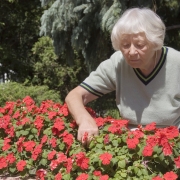
Gardening offers a powerful therapeutic tool for individuals living with Alzheimer’s. In facilities for Alzheimer’s Ashland NE, gardening programs are increasingly recognized for their ability to support emotional well-being, cognitive engagement, and physical activity. With its calming, sensory-rich environment, gardening provides residents with meaningful opportunities to connect with nature and experience a sense of purpose.

Observances like Gardening for Wildlife Month highlight the value of outdoor engagement and environmental awareness. For residents with memory loss, even simple gardening tasks can create moments of joy, reduce stress, and encourage gentle interaction with their surroundings. By incorporating gardening into daily routines, memory care communities can offer a holistic approach to wellness that nurtures both the mind and body.

Benefits of Gardening for Alzheimer’s Patients

Gardening provides a range of therapeutic benefits that are especially valuable for individuals with Alzheimer’s. In facilities for Alzheimer’s Ashland NE, these activities can be tailored to meet residents’ abilities while promoting comfort and engagement.

  • Sensory stimulation through textures, colors, and natural scents helps trigger recognition and positive emotional responses
  • Reduced agitation as repetitive, calming tasks like watering or planting can ease restlessness and anxiety
  • Improved mood by providing a peaceful, enjoyable activity that encourages relaxation
  • Encouragement of gentle physical movement, which supports mobility and circulation
  • Opportunities for social interaction when gardening are done in small groups
  • A sense of accomplishment and purpose from nurturing plants and watching them grow

These benefits contribute to a more balanced emotional state and can enhance the overall quality of life for residents.

Types of Gardening Activities

Gardening programs in facilities for Alzheimer’s Ashland NE should be simple, adaptable, and safe. A variety of activities can be introduced to ensure that all residents can participate comfortably, regardless of their mobility or cognitive level.

  • Raised bed gardening, which allows residents to plant and tend flowers or herbs without bending or straining
  • Container gardening using pots that can be easily managed in small outdoor or indoor spaces
  • Indoor plant care, such as watering, pruning, or arranging houseplants
  • Planting seasonal flowers or herbs that provide familiar scents and visual appeal
  • Simple tasks like sorting seeds, arranging tools, or preparing soil
  • Observational activities like watching plants grow or enjoying garden spaces

These options make gardening accessible while allowing residents to engage at their own pace.

Implementing Safe Gardening Programs

Safety is essential when introducing gardening activities in facilities for Alzheimer’s Ashland NE. With proper planning and supervision, residents can enjoy gardening while minimizing risks.

  • Providing supervision and guidance to ensure residents feel supported during activities
  • Using adaptive tools that are lightweight, easy to grip, and designed for seniors
  • Creating secure garden spaces that are enclosed and free from hazards
  • Ensuring clear pathways to prevent trips or falls
  • Scheduling activities during comfortable weather conditions
  • Offering seating areas for rest and relaxation

By prioritizing safety and accessibility, caregivers can create enjoyable and worry-free gardening experiences.

Gardening as therapy offers a meaningful way to enhance residents’ well-being. Through sensory engagement, gentle activity, and a connection to nature, gardening programs can bring comfort, joy, and a renewed sense of purpose to everyday life. 

Looking for an excellent senior care community in Nebraska? Click here to learn about Richmont Senior Living!


Richmont Senior Living is proud to serve Ashland, NE and the surrounding cities: Memphis, Springfield, South Bend, Greenwood, Murdock, Waverly, Murdock, Ithaca, and Chalco