
The Healing Power of Nature: Incorporating Biophilic Design in Memory Assisted Living Communities

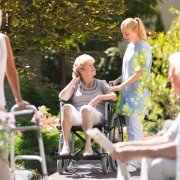
When integrated into an existing or new design, biophilic design improves the aesthetic appeal and well-being of the occupants. In memory assisted living biophilic design promotes better physical and mental health. This design approach offers seniors more opportunities for relaxation and connection with nature. Using natural light, indoor plants, views of nature, natural materials, or water features can improve mood, provide a sense of calmness, and create a natural connection with nature.

What is Biophilic Design?

Biophilic design is a design approach that integrates the natural environment and patterns into a design. Based on the fundamental connection of humans to nature, this design philosophy primarily promotes physical and mental relaxation, enhances productivity, and improves overall well-being.

The biophilic design concept aims to recreate the healing power of nature within indoor spaces, including memory assisted facilities, to evoke a sense of peace and tranquility, reduce stress levels, and enhance indoor air quality.

Bringing nature indoors, such as green spaces and outdoor views, encourages residents to be in tune with nature and alleviates cognitive fatigue. Biophilic design is a holistic approach to catering to a better and healthier environment for occupants and carers for mental and physical needs. With this therapeutic approach, memory assisted living facilities are physically remodeled, creating a happier and healthier environment for all occupants.

The Healing Power of Nature in Memory Assisted Living

Nature can affect our mood, health, and overall immune system. Backed by research, nature has a healing capacity widely proven during the pandemic when almost everyone’s mental health was affected.

Spending time outdoors or with nature is said to be a key factor in enabling people to cope with challenges. Fresh air has long been a game changer for feeling better physically and mentally. Natural views of the environment can significantly reduce stress and anger while at the same time lowering blood pressure and muscle tension.

In addition, nature helps humans cope. According to a classic study of patients conducted by physician Robert Ulrich, patients with views of trees tolerated pain better and spent less time in the hospital. Whether it is the warmth of the sunlight, fresh air, or the rhythmic sound of the waves, nature soothes pain.

Nature is known to restore the body and mind remarkably. Fresh air, lush landscapes, and vibrant colors outdoors can reduce stress and fatigue. Time well spent with nature can give renewed energy, restore the spirit and mind, and improve overall well-being.

The Benefits of Biophilic Design in Memory Assisted Living

Many people have biases with healthcare facilities like memory assisted living because of their association with old age, memory loss, dementia, incapability of contributing to society, and more.

Staff and carers also face challenges in the workplace. Residents, on the other hand, find the usual corners dull.

This is where biophilic design comes in. With increased connectivity to nature, everyone benefits from its healing powers.

Biophilic design in senior housing can help improve cognitive function. Exposure to light is known to enhance mental clarity, a therapeutic approach for those with age-related cognitive decline.

Biophilic design in senior housing can entice residents to interact and socialize, as outdoor gardens, walkways, or fountains provide an opportunity to lounge, connect, and foster a sense of community.

Biophilic design in senior housing can improve indoor air quality, which benefits residents with respiratory issues. In addition, access to outdoor spaces can provide opportunities for seniors to do light physical activities like walking for improved health.


Looking for excellent senior care in Nebraska? Click here to lear more about Richmont Senior Living!


Richmont Senior Living is proud to serve Ashland, NE and the surrounding cities: Memphis, Springfield, South Bend, Greenwood, Murdock, Waverly, Murdock, Ithaca, and Chalco


Designing for Dignity: Creating Elder-Friendly Spaces in Senior Housing | Ashland NE

When you hear senior housing, you automatically imagine the place dull and depressing. Well, it might be the old case, but not today.

As the world progresses, so do the facilities for senior housing. Today, assisted living communities like senior housing Ashland NE, are not only designed to cater to the rising number of residents.

Elderly spaces now have well-thought-out designs that cater to aging residents’ unique needs and independence, emphasizing safety, dignity, and accessibility. These meet senior adults’ unique needs and give them a sense of comfort and independence without compromising safety.

How the Physical Design of a Senior Housing Community Impacts the Resident

The physical layout of a senior housing facility plays a significant role in the overall environment, which sets residents’ living experience.

First, the physical design should not compromise accessibility, as this would affect residents’ mobility and independence. Senior care spaces should have hallways, ramp facilities, and handrails to facilitate ease of movement while on walkers or wheelchairs. These would also help carers and staff move freely to deliver efficient and fast patient care. Lifts or stairs must also be available so everyone in the facility can access the whole area effortlessly.

The interior design must create a warm, cozy environment that encourages residents to relax and socialize. It must also have well-appointed areas for residents to promote interaction and participate in different activities. These would allow them to come together, create meaningful relationships, provide support, encourage them to stay active and maintain good health, and provide learning opportunities.

The dedicated areas should have comfortable seating areas, adjustable dining chairs to accommodate mobility issues, artworks, plants, natural lighting, non-slip flooring, and such to create spaces that provide comfort, safety, and a sense of belonging.

The safety features in the design elements also contribute to the residents’ comfort and peace of mind. Non-slip floors, grab bars, night lighting, walk-in showers, safety locks, security cameras, accessible exits, and emergency response systems will protect residents from hazards, crime, and wandering, promoting a safe and conducive living space while being independent.

Gardens, outdoor activity areas, and beautiful landscapes provide a space for relaxation, exercise, and time with nature. With fresh air, the warmth of the sun, and a therapeutic view, all these would instantly lift the mood, enjoy the view, or engage in meaningful activities.

Overall, the physical design of senior housing in Ashland, NE, can profoundly impact the lives of its residents. By prioritizing designs that promote safety, accessibility, and dignity, residents feel more secure, happy, and comfortable, allowing them to thrive and live their best lives regardless of age.

Creating Elder-Friendly Spaces in Senior Housing |Ashland NE

Creating senior-friendly spaces is crucial for exercising freedom in a comfortable and convenient place. By creating well-thought-out designs, senior housing facilities can create safe places that foster social connection, independence, and the overall quality of life for their residents.

Ramps, wide hallways, and grab bars are basic elements that facilitate mobility for residents with mobility issues. Having these would make it easier for seniors to navigate the area without the risks of falls.

Ensure the use of proper lighting, particularly for seniors with poor vision. Stairs, entry and exitways, and hallways should be installed with bright or LED lights.

Bathrooms should have non-slip floors to prevent slips and grab bars for support. Consider installing toilets with raised seats for the elderly’s convenience.

Embrace modern technology, such as remote-controlled devices, voice-activated assistants, medical alerts, or emergency systems, for everyone’s peace of mind.

Handrails on stairs must also be installed to avoid accidents, and non-slip flooring materials must be used in all areas. All areas of senior housing in Ashland, NE, must be well-lit, including outdoor spaces.

The facility must be regularly checked and maintained to ensure everything works properly and safely.

These may sound basic, but these are often overlooked, causing problems that can lead to serious implications.


Explore exceptional senior care options at Richmont Senior Living by clicking here!


Richmont Senior Living is proud to serve Ashland, NE and the surrounding cities: Memphis, Springfield, South Bend, Greenwood, Murdock, Waverly, Murdock, Ithaca, and Chalco

Patient Safety Awareness Week in Facilities for Alzheimer’s

Medical errors and accidents within care facilities cause serious injuries and even death. Caring for patient’s safety and well-being is paramount, especially if they face the challenges that come with memory impairments. The Patient Safety Awareness Week reminds facilities for Alzheimer’s, caregivers, staff, and residents’ families to implement innovative strategies to create a supportive and safe environment for those affected by Alzheimer’s and other forms of dementia.

With these in mind, we join the community in celebrating Patient Awareness Week, promoting the best practices of care, and fostering Alzheimer’s facilities to benefit residents and their workforce.

What is Patient Safety Awareness Week?

Patient Safety Awareness Week is a worldwide annual in the healthcare community. This yearly event is focused on raising awareness about patient safety among healthcare professionals and promoting the best patient care practices.

Every March, different activities encourage everyone to learn about the importance of patient safety. The week-long event provides opportunities for healthcare organizations and professionals to assess their practices and identify areas for improvement.

Seminars, workshops, educational campaigns, and various programs are organized for healthcare professionals and families to participate in. These serve as opportunities for families and patients to raise concerns about patient care and safety.

With these avenues calling for open communication, organizations, healthcare workers, patients, and families can work together and develop strategies for continuous improvement, training, and learning for the overall benefit of the entire healthcare system.

Patience Safety Awareness Week is a yearly collaboration of healthcare organizations, workers, and the community that spreads awareness while continuously improving patient care.

Patient Safety Awareness Week in Facilities for Alzheimer’s

Like the rest of the healthcare system, facilities for Alzheimer’s patients face challenges. Due to the complexity of the condition, patients with Alzheimer’s have unique needs that need to be addressed. From changes in behavior to physical limitations and abilities, catering to their needs and safety can be quite a task.

And with Patient Safety Awareness Week fast approaching, it is best for memory care facilities to re-evaluate the following:

Medication Management

According to a recent national survey by the University of Chicago and the Institute for Healthcare Improvement, one in five people experience medical errors in their care. Memory care facilities should employ trained staff and closely monitor medication administration to ensure safe administration.

Emergency Readiness

Facilities for Alzheimer’s must have contingency plans during medical emergencies, natural disasters, or outbreaks to ensure the safety of residents.

Anti-Wandering and Securit

Facilities for memory care patients should focus on incorporating safety measures like electronic monitoring, electronic tags, and anti-wandering systems. Patients with Alzheimer’s often show signs of confusion and an inability to recognize familiar faces.

Safety

People with Alzheimer’s are prone to wandering around the facility and to slip-and-fall accidents. Facilities for Alzheimer’s should incorporate design elements that are favorable for senior residents. Anti-slip floor materials, rails, bars, and staff supervision will ensure residents’ safety.


Looking for exceptional senior care in Nebraska? Click here to learn more about Richmont Senior Living!


Richmont Senior Living is proud to serve Ashland, NE and the surrounding cities: Memphis, Springfield, South Bend, Greenwood, Murdock, Waverly, Murdock, Ithaca, and Chalco

How to Deal with Anosognosia in Facilities for Alzheimer’s Ashland NE

The natural aging process, coupled with the pathophysiology of cognitive disorders, often leads to numerous symptoms that affect not just the physical well-being of patients but also their mental and emotional state.


One of these symptoms is anosognosia, which can be observed in many elderly people, particularly those who are living in facilities for Alzheimer’s Ashland NE. If you have a loved one who’s entering their golden years, it’s important to know what anosognosia is and how you can help mitigate its effects.


What is Anosognosia?


Anosognosia is a condition that prevents patients from understanding that they are dealing with psychiatric symptoms and/or neurological deficits. It’s exhibited by many patients with dementia and mental health issues as well as those who have incurred structural brain lesions due to disease or injury.


These conditions cause damage to certain areas of the brain that are responsible for memory, organization, language, self-monitoring, emotional processing, error awareness, and more, making it difficult for patients to be aware that they’ve lost their cognitive and/or sensorimotor function.


It’s easy to dismiss anosognosia as denial. After all, most people don’t want to admit to themselves and others that they’re no longer as independent as they’d like to be. However, anosognosia isn’t simply the lack of acceptance. Patients with this condition truly are not aware of their illness and the symptoms it brings.


It’s also important to note that anosognosia doesn’t have a linear timeline but rather comes and goes in many patients. This means that your loved one might acknowledge today that they have Alzheimer’s, then insist that they’re completely fine tomorrow.


How to Help


If you have a relative who’s been diagnosed with anosognosia the first step is to contact their doctors. Your feedback will give them an idea of how to best approach the patient and deliver treatments without causing them stress.


The team can provide helpful tips on how to care for your loved one while navigating the changes of anosognosia.


You must also learn how to provide care and comfort subtly. It can be tempting to use reason and logic to convince your loved one that they’re ill. But, remember that their brain finds it difficult to process information, and arguing will only cause confusion and anger.


One way you can ensure their safety is by discreetly making changes to their routine and/or environment. If you need to introduce new ideas, people, or processes, do so gently and positively.


Anosognosia can affect people with Alzheimer’s disease and other types of dementia. If your loved one has been diagnosed with this condition, proper management is crucial.


It’s also important to find facilities for Alzheimer’s that can provide the care and monitoring of your loved one’s needs. One of your best options is Richmont Senior Living, which offers modern memory care services and has experienced knowledgeable staff. Learn more about our solutions by contacting us today!


Richmont Senior Living is proud to serve Ashland, NE and the surrounding cities: Memphis, Springfield, South Bend, Greenwood, Murdock, Waverly, Murdock, Ithaca, and Chalco

Building Strong Caregiver Relationships: How to Provide Exceptional Care in Assisted Living Ashland NE

Humans are social beings who are wired to seek companionship from others, whether it’s in the form of large group meetups or intimate one-on-one talks. Because of this, people need to have access to socialization opportunities at every stage of their life — including their golden years.


This can be difficult, especially for those who are in assisted living Ashland NE. But, caregivers can eliminate challenges by building good relationships with their patients.


The Importance of Caregiver Relationships in Assisted Living


To prevent accidents and injuries, seniors with reduced mobility, sensory, and cognitive functions are often advised to spend most of their time at home or in a care facility. While this might be ideal for their physical health and safety, it can be detrimental to their mental and emotional well-being. Especially, if they have limited options for socialization.


Fortunately, caregivers are in the right position to rectify this situation. Since they’re in contact with patients regularly, they have plenty of time to build positive relationships and meet companionship needs. This, in turn, can help minimize feelings of isolation and boost the emotional health of patients.


Aside from fostering positive emotional effects, caregivers who take the time to make crafts, play board games, or simply chat with patients can provide significant mental stimulation. This is crucial for seniors who can no longer engage in their favorite hobbies and might feel bored and restless.


How to Establish Great Patient/Caregiver Relationships


Practicing active listening is one of the best ways to build good relationships with your patients. With eye contact and positive body language, you’ll show respect and interest in what they have to say.


This makes it easier for you to build rapport since you already have a strong framework to build on.


It’s also recommended to focus on activities that the patient loves to do. For example, if they love reading books but can no longer do so, you might want to set aside time to read to them. If they’re avid fans of board games, take the time to play a round or two of their favorite game. By focusing on the things that interest them, you’ll provide patients with a positive experience while reducing stress and anxiety.


Establishing positive relationships goes a long way in helping your patients have a better quality of life. To know more about good patient/caregiver relationships, reach out to Richmond Senior Living today.


We’re proud providers of assisted living solutions in Nebraska. Our team of experienced and certified staff can provide the care and support that our patients need. Get in touch with us today!


Richmont Senior Living is proud to serve Ashland, NE and the surrounding cities: Memphis, Springfield, South Bend, Greenwood, Murdock, Waverly, Murdock, Ithaca, and Chalco

Valentine’s Day in Senior Housing | Celebration & Gift Ideas

Valentine’s Day is often a fun and exciting event for many people, particularly those who are in an established romantic relationship as well as those who are still starting as a couple. However, this is often not the case for people who are living in senior housing since many of them have lost their spouses, partners, and other loved ones throughout the years.


Fortunately, this doesn’t mean that Valentine’s Day should be ignored in care facilities! There are many ways to celebrate this event and ensure that residents will have a fun and wonderful experience.


Valentines in Assisted Living


Care facilities do their best to create a pleasing and comfortable senior housing environment. However, it can’t be denied that living in one’s original home, surrounded by family and friends, is much preferable. This is why experts encourage the celebration of Valentine’s Day as well as other lighthearted events.


Through these celebrations, residents can have an enjoyable time while being reminded that they are loved and valued.


Valentine’s Day Gifts


Giving and receiving gifts are some of the most fun parts of Valentine’s Day, but this doesn’t mean that you must spend a fortune on presents! Come up with a gift exchange program, encourage residents to sign up, and inspire them to give handmade presents to their recipients. This way, everyone gets a nice and thoughtful gift without having to spend money.


It’s also a good idea to encourage family members to give practical Valentine’s Day gifts. These are things that their loved ones will be able to use every day — instead of random items that will end up cluttering shelves and collecting dust.


Some excellent practical present ideas include weighted blankets, non-slip socks, and pill organizers. Handmade cards, artwork from grandchildren, and framed family photos will also be highly appreciated.


Sweet Treats & Special Activities


Aside from gift-giving, Valentine’s Day is also associated with chocolates and other sweet treats. So, to make this event a success, you’ll want to plan a desert bonanza with a range of delicious treats to choose from.


Chocolate bonbons are a must-have along with chocolate bark, cookies, and cake. You can also add stuffed and coated strawberries to the list along with heart-shaped muffins, cupcakes, and even pizzas.


Another great idea is to hold arts and crafts sessions where residents can make Valentine’s Day cards and handmade gifts. Remember: not everyone has the talent or motor function to create handmade cards and presents. So, conducting guided sessions will make it easier for residents to bring their gift ideas to life.


Valentine’s Day isn’t just for couples. It can also be enjoyed by those in senior housing who may or may not have their partners in this mortal plane. Use the tips listed above to provide residents with a fantastic Valentine’s Day celebration!


You can also get additional ideas from our experts here at Richmond Senior Living. We’re a trusted care facility for seniors offering independent and assisted living services and memory care solutions. Click here to learn more about Richmont!


Richmont Senior Living is proud to serve Ashland, NE and the surrounding cities: Memphis, Springfield, South Bend, Greenwood, Murdock, Waverly, Murdock, Ithaca, and Chalco

Rheumatoid Arthritis Awareness Day in Assisted Living

Rheumatoid arthritis affects people of all ages — from teens and young professionals to elderly folks in assisted living facilities. This condition affects numerous joints in the body, making day-to-day activities more difficult and painful and eventually downgrading one’s quality of life.


Fortunately, while rheumatoid arthritis currently has no cure, there are numerous ways to properly manage its symptoms and limit its overall impact on the patient.


Rheumatoid Arthritis Awareness Day | What is Rheumatoid Arthritis?


Rheumatoid arthritis, (also called RA) is a type of autoimmune disease. This means that the body’s immune system mistakenly identifies its cells as foreign matter and eventually attacks it. This attack causes inflammation to the target tissues and/or organs and, over time, causes a significant amount of damage.


In the case of RA, the inflammation mostly occurs in joints but can also take place in the eyes, lungs, kidneys, and heart.


Joint stiffness is one of the most common symptoms of rheumatoid arthritis. This usually lasts longer than 30 minutes, so it’s easy to single out from the normal stiffness that occurs after sitting or standing still for a long time. Aside from getting stiff, joints can also develop swelling and pain, accompanied by a low-grade fever and appetite loss along with a general feeling of malaise.


Over time, patients can develop joint deformity, become unsteady while walking, and eventually experience mobility loss.


Rheumatoid Arthritis Risk Factors


As mentioned above, anybody can develop rheumatoid arthritis in their lifetime. However, several factors can put you at a higher risk. One such factor is genetics; if you have a family member with RA, you most likely have a higher chance of developing this condition as well.


Your lifestyle can also play a huge role. Studies have shown that smoking, eating a lot of salty, oily, and overly processed foods, and experiencing too much stress can put a person at a higher risk of developing RA.


Low testosterone and high estrogen levels can likewise contribute to the development of this condition, which explains why women are two to three times more likely to develop RA than men.


Those who have developed previous infections are also at a higher risk of getting rheumatoid arthritis. This comes from the fact that, during an infection, some parts of the immune system lose their ability to deal with pathogens, triggering it to produce new antigens that cause the body to become overactive and target its cells.


Top Assisted Living Friendly Exercises Rheumatoid Arthritis for Pain


Exercising regularly is one of the best ways to manage the symptoms of rheumatoid arthritis. Working out might seem counter-intuitive at first, especially when you feel too sore and too tiresome to move, but it helps relieve pain and reduce joint stiffness.


Many exercises can help manage RA, and most of them are simple and easy enough to be performed in assisted living facilities. One example is stretching, which helps improve flexibility and increase range of motion. Hand exercises are also greatly helpful since rheumatoid arthritis can minimize grip strength and make wrists and hands painful to use.


Yoga, tai chi, and even simple walking can improve balance and reduce stress levels and should be added to RA-related exercise routines for patients who are well enough to tackle these activities.


Dealing with rheumatoid arthritis isn’t a walk in the park. Fortunately, patients with this condition can take numerous steps to effectively manage their symptoms.


Here at Richmond Senior Living, we have a team of certified, fully trained, and experienced professionals who care for our assisted living residents with RA and help them manage the pain and discomfort they feel. Learn more about our team as well as the solutions that we offer by clicking here!


Richmont Senior Living is proud to serve Ashland, NE and the surrounding cities: Memphis, Springfield, South Bend, Greenwood, Murdock, Waverly, Murdock, Ithaca, and Chalco

Mindfulness and Meditation for Seniors in Assisted Living Facilities

Caring for seniors in assisted living facilities involves the practice of mindfulness and meditation to promote their overall well-being. These practices offer a sense of peace, promote mental clarity, and contribute to the holistic health of senior residents in assisted living.


There are lots of physical benefits in practicing mindfulness and meditation, particularly lower blood pressure and inflammation, as well as psychological benefits such as improved ability to cope with sadness or loneliness and a sense of well-being.


Introducing Mindfulness Techniques for Stress Reduction in Seniors


The practice of mindfulness is a meditation that can aid seniors in living a healthy, mental, physical, and emotional well-being. It is focused on helping people achieve a relaxed state of mind by promoting awareness of present thoughts, feelings, and emotions.


  • Breathing exercises
  • Body scan
  • Mind mapping
  • Walking
  • Journaling
  • Therapeutic Coloring
  • Connecting with nature
  • Positive affirmations
  • Music therapy
  • Sleep meditation


These mindfulness activities are geared to help you stay grounded in the current moment and help you let go of any problems or worries you are having. You can do these practices alone, with your loved one, or with your community in assisted living facilities.


Doing them regularly can earn you the following benefits.


  • Improvement in brain function and cognition
  • Achieve healthy and stable mental health
  • Reduced risk from specific health conditions, including chronic stress, heart diseases and hypertension
  • Better mood and positive outlook in life
  • Improvement in blood circulation and digestion


Easy Meditation Practices Suitable for Seniors in Assisted Living Facilities


People living in assisted living facilities are advised to practice meditation techniques to improve their brain power and reduce age-related cognitive decline. Apart from that, it can enhance long- and short-term memory, as well as being able to focus and become resilient.


Here are the best techniques for meditation so that seniors can engage in assisted living facilities.


  • Engaging in simple guided meditations can help you keep the energy of your mind in focus particularly if your mind is prone to wandering or turning out
  • You can keep your body relaxed while your mind is focused and in motion through a guided meditation session
  • Practice mini-sessions for seniors if you are having difficulty maintaining physical posture or focusing on any significant length of time
  • Offset anxiety by creating a word or sentence, such as a prayer motivational phrase, or mantra that you can use regularly
  • Combine physical forms of movement and discipline with mental focus such as tai chi or yoga to benefit the mind and body


You can modify meditations with shorter sessions, adjust your posture, or do a walking meditation to keep the body happy.


Perhaps mindfulness and meditation will neither cure all your aches and pains nor turn back the hands of time. But it will help you live your life to the fullest as you age gracefully in assisted living facilities.


Looking for excellent senior care in Nebraska? Click here to learn more about Richmont Senior Living!


Richmont Senior Living is proud to serve Ashland, NE and the surrounding cities: Memphis, Springfield, South Bend, Greenwood, Murdock, Waverly, Murdock, Ithaca, and Chalco

Activities to Stimulate Memory in Facilities for Alzheimer’s

Even within the limits of Alzheimer’s care facilities, the quest of activities that stimulate memory becomes a basis for enhancing the quality of life for residents. So, memory-stimulating activities play a major role within these facilities dedicated to Alzheimer’s care.


There are, in fact, a ton of different activities designed to enhance recollection and promote an individual’s cognitive health while creating a supportive and engaging environment and fostering a sense of connection for individuals living in facilities for Alzheimer’s.


Memory Loss Signs and Symptoms


Symptoms of Alzheimer’s may include memory loss since it causes a slow decline in memory, reasoning, and thinking skills. Thus, it is vital that you set an appointment with your doctor the moment you notice any of the following symptoms.


Memory loss


Signs and symptoms of Alzheimer’s include memory loss particularly forgetting information just learned recently. Others may include asking the same questions repeatedly or forgetting important dates or events.


Having trouble planning or solving problems


Being unable to develop and follow a plan or solve problems can be associated with Alzheimer’s or another dementia.


Struggle at completing familiar tasks


It is going to be hard to complete daily tasks for people suffering from dementia or Alzheimer’s. At some point, they may have trouble organizing a grocery list or driving to a familiar location.


Decreased or poor judgment


A person who may experience changes in making decisions or judgments might be showing early signs and symptoms of Alzheimer’s or another dementia.


Withdrawal from social activities or work

A person who may experience changes in his or her ability to follow a conversation or withdraw from hobbies or social activities is already having symptoms of Alzheimer’s.


Mood or personality changes


If a person is experiencing personality or mood changes, a possible result can be getting anxious, confused, depressed, or suspicious. He or she can be showing early signs of Alzheimer’s particularly if he or she is easily upset at home with family or with friends.


Memory-enhancing Activities for Residents in Facilities for Alzheimer’s


There are a lot of ways to stimulate the brain of older people in order to improve their memory skills and mental health. With the right amount of stimulation, it can provide a greater sense of independence, take in and process information faster, be able to concentrate better and improve coordination and motor skills.


For residents in facilities for Alzheimer’s, here are some of the best brain games that they can play with loved ones to keep the brain active.


  • Engaging in trivia quizzes focused on current affairs, fun facts about family members, general knowledge, history, literature, and musicals.
  • Solving Sudoku puzzles is also one way of keeping the minds of seniors sharp as it preserves their logical thinking skills and their mental abilities
  • Getting busy with arts and crafts can also help the mind become creative without stressing it out
  • Playing word puzzles can also engage older adults as it can entertain them while exercising their brain
  • Playing bingo in facilities for Alzheimer’s is another way to enhance the hearing, sight, and touch of older adults while engaging in a senior community as it encourages social interaction.


Several other ways to keep seniors engaged in memory-enhancing activities are also available within facilities for Alzheimer’s. Thus, it is important to know the critical signs and symptoms of memory loss to manage it in its early stages of development.


Looking for excellent memory care in Nebraska? Click here to learn more about Richmont Senior Living!


Richmont Senior Living is proud to serve Ashland, NE and the surrounding cities: Memphis, Springfield, South Bend, Greenwood, Murdock, Waverly, Murdock, Ithaca, and Chalco

Celebrating National Heart Health Month in Independent Living for Seniors

The celebration of National Heart Health Month basically provides awareness of the significance of cardiovascular well-being, particularly within independent living for seniors. As the heart plays an important part of a person’s life especially when people age, so it is vital to prioritize heart health among seniors in independent living communities. This event helps them to embrace heart-healthy habits for a longer, more vibrant journey through their golden years.


Heart-healthy Recipes and Diet Tips for Independent Living for Seniors


It is advisable to eat a lot of fruits, healthy fats, lean proteins, low-fat dairy, vegetables, and whole grains. Since it is never too late to invest in heart health, it is also very important to avoid excessive amounts of alcohol, salt, saturated and trans fat and added sugars.


That being said, you can prepare foods that are good for the heart, such as the following recipes to get started.


Green goddess smoothie


This is a mix of cucumber, frozen banana, kale, soy milk, and vanilla that you can consume during breakfast or snacks.


Sweet n’ heat salmon


This is a combination of apricot nectar, cinnamon, cayenne pepper, dried apricot, honey, and soy sauce to glaze your broiled or basted salmon.


Chocolate nut cookie in a mug


You can opt for a sweet treat using a mix of melted margarine and liquid stevia sweetener, along with cocoa powder, a bit of egg white, and flour.


You can prioritize your heart health in all stages of your life. Part of this is to incorporate more heart-healthy foods and limit potentially harmful foods into your diet. This will protect your heart from damage and disease. Moreover, moving into a senior living community can be more fun if you learn how to prepare delicious and nutritious meals with heart health in mind.


Exercise Routines to Promote Cardiovascular Health


It is important to note that exercise routines need to have a positive effect on your heart, aside from improving the musculoskeletal system. So promoting your cardiovascular health must include a combination of aerobic and resistance training exercises.


This includes cycling, swimming, and walking for at least 30 minutes a day, 5 days a week. You can also do moderate weightlifting to build muscle endurance and tone muscles twice a week. If you want to cover the major muscle groups, you can do it as frequently as necessary.


You need to record your progress when doing your exercise routines.


  • Make sure that you hit your target heart rate when you are charting your exercise progress
  • If you are into weight training, see to it that you have achieved the number of repetitions
  • Monitor your fat vs. muscle body composition during your routine exercises


Working out with a qualified trainer or health professional can make a difference if you want to do it within a healthy range. Thus, you need to stay within your target heart rate, not above or below your target because this can make or break your goals of achieving a healthy heart in independent living for seniors.


Learn about Richmont Senior Living by clicking here!


Richmont Senior Living is proud to serve Ashland, NE and the surrounding cities: Memphis, Springfield, South Bend, Greenwood, Murdock, Waverly, Murdock, Ithaca, and Chalco