

Celebrating National Grilling Month in Senior Housing Ashland NE

July is National Grilling Month, and there’s no better way to celebrate than by gathering with your loved ones at senior housing Ashland NE! This special occasion presents a perfect opportunity for residents and their families to savor delicious food and cherished family recipes, all while catching up and creating new memories.

The grilling possibilities are endless: from savory lamb skewers and perfectly grilled salmon to sticky, flavorful ribs, classic burgers and hot dogs, or even an array of fresh grilled veggies. Whether you envision a simple, intimate gathering with close family and friends or a grander evening filled with live music and laughter, the National Grilling Month is all about savoring incredible grilled flavors and the pure joy that connection brings to everyone.

So, fire up the grill and get ready to enjoy a fantastic National Grilling Month celebration!

Grilling as a Summer Tradition

Longer, warmer days create the perfect opportunity for outdoor picnics and BBQ-themed gatherings in senior living communities. These events bring residents and staff together, fostering a strong sense of connection and belonging. Shared meals in the sunshine encourage lively conversations and new friendships, helping to combat feelings of loneliness and isolation.

Beyond socialization, outdoor cookouts offer numerous wellness benefits. The change of scenery and fresh air stimulate the mind, enhancing focus and memory while invigorating the body. Exposure to natural sunlight also boosts Vitamin D production, supporting immune health, strong bones, and a balanced mood.

Nutritious grilled meals—packed with lean proteins and fresh vegetables—provide essential vitamins and minerals to keep seniors energized and healthy. The process of grilling itself promotes cognitive engagement, as it requires patience, attention, and creativity, giving residents a rewarding sense of accomplishment.

At senior housing communities like those in assisted living Ashland NE, themed BBQ events add excitement to daily routines. Residents eagerly anticipate these gatherings, where they can savor delicious food—both classic favorites and new dishes—while enjoying music, laughter, and cherished memories. Whether reminiscing over treasured family recipes or creating new traditions, cookouts offer a joyful, multisensory experience.

By combining great food, friendship, and fun, BBQs become more than just meals—they’re a holistic way to enhance physical, mental, and emotional well-being for seniors. These gatherings create lasting memories and a vibrant sense of community, making every cookout a celebration of life.

Tips for Hosting a Safe, Fun Cookout

Summer cookouts bring joy and excitement to assisted living communities, but prioritizing safety and comfort ensures all residents can fully enjoy the experience. Thoughtful planning transforms these gatherings into memorable, worry-free occasions.

  1. Resident-Friendly Menu Planning
    Begin by creating a menu that accommodates a range of dietary needs and medical conditions. While classic BBQ favorites like steak and burgers are always welcome, be sure to include softer, lighter options such as grilled fish, chicken, and vegetable skewers. Don’t forget beloved sides like creamy potato salad, buttered corn on the cob, or fresh fruit platters—dishes that are both delicious and easy to enjoy.
  2. Sun Safety First
    Seniors are particularly vulnerable to heat-related illnesses, so creating a shaded, calm environment is essential. Set up umbrellas, canopies, or pop-up tents to provide ample shade, and arrange seating in breezy, covered areas. This helps prevent dehydration, heat exhaustion, and overheating while allowing residents to socialize comfortably.
  3. Hydration Stations
    Keep refreshing beverages within easy reach to encourage frequent hydration. Alongside water, offer infused fruit waters (like cucumber-mint or lemon-berry), iced herbal teas, or natural fruit juices. Consider setting up a self-serve drink station to allow residents to stay calm and hydrated throughout the event.

With these considerations in place, summer cookouts become more than just meals—they’re safe, inclusive, and delightful celebrations that bring residents together under the sunny skies.

Grilling Month in Ashland NE: A Community Affair

July is National Grilling Month, and at the assisted living community in Ashland, NE, we’re turning it into a true family celebration. The most successful cookouts are those shared not just among residents but with their loved ones and local partners, creating unforgettable moments for all generations.

There’s something magical about watching residents rediscover family recipes brought by their children, or savoring mouthwatering specialties prepared by our favorite local caterers and food trucks. These collaborations do more than just expand our menu options – they weave tighter bonds between our residents, their families, and the broader Ashland community.

By involving multiple stakeholders, we elevate a simple BBQ into a vibrant community event. The air fills with laughter, the sharing of cherished stories, and that irresistible smoky aroma of grilling. Grilling Month becomes more than just delicious food – it’s about nurturing connections, bridging generations, and creating new memories that will be treasured long after the last burger is served.

At its heart, this celebration reminds us that good food tastes even better when shared with good company. Together, we’re proving that assisted living communities can be the heart of meaningful community gatherings.


Richmont Senior Living is proud to serve Ashland, NE and the surrounding cities: Memphis, Springfield, South Bend, Greenwood, Murdock, Waverly, Murdock, Ithaca, and Chalco

How to Spread Christmas Cheer in Facilities for Alzheimer’s

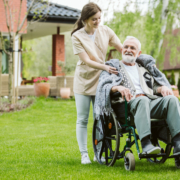
The holiday season is a time of warmth, joy, and togetherness, yet for residents living in Facilities for Alzheimer’s, the celebrations require a thoughtful, gentle approach. Christmas can spark meaningful memories, but it may also create confusion or overwhelm when environments become too noisy or unfamiliar. With careful planning, families and caregivers can help residents feel safe, comforted, and connected during this special time of year.

Understanding Residents’ Seasonal Needs

People living with Alzheimer’s often thrive in predictable, calm environments. Holiday festivities with bright lights, busy schedules, and loud gatherings can easily lead to overstimulation. That’s why Facilities for Alzheimer’s focus on creating celebrations that balance festivity with familiarity.

  • Avoiding overstimulation – Large crowds, flashing lights, or loud music can trigger agitation or confusion. Communities keep activities small, peaceful, and predictable.
  • Tailored holiday events – According to senior care experts, thoughtful programming, such as simple ornament-making or soft holiday music, helps residents experience joy without feeling overwhelmed. Structured activities also support emotional well-being during a season that can stir deep memories.

This mindful approach ensures residents enjoy the season comfortably and safely.

Joyful and straightforward Ways to Bring Cheer

Spreading Christmas cheer doesn’t require elaborate events. What matters most is simplicity, familiarity, and sensory comfort.

  • Holiday music – Soft carols or familiar tunes often spark recognition and soothe anxiety.
  • Baking together – Decorating cookies or enjoying the scent of cinnamon and vanilla can trigger positive memories.
  • Crafting activities – Making paper snowflakes, simple ornaments, or holiday cards provides creative expression without overwhelming steps.
  • Familiar traditions – Reading classic holiday stories, lighting candles (battery-operated for safety), or watching beloved seasonal movies helps residents feel grounded.
  • Sensory experiences – Warm blankets, gentle lighting, or seasonal scents like pine or peppermint add comfort.

These meaningful yet gentle experiences allow residents to celebrate with ease and joy.

Involving Families in Safe, Meaningful Ways

Family participation greatly enhances the holiday season. With the proper structure, visits can be warm, supportive, and stress-free.

  • Small gatherings – Short, calm visits in quieter spaces help prevent fatigue and confusion.
  • Thoughtful gift ideas – Items like soft blankets, familiar music playlists, scented lotions, or photo memory books provide comfort without overwhelming the senses.
  • Supportive environment – Facilities guide families on how to interact and communicate gently, and to create moments rooted in reassurance rather than expectation.

These simple gestures keep residents connected to loved ones while honoring their cognitive needs.

Creating a Comforting Christmas Environment

A calm, cozy atmosphere helps residents feel secure during the holidays. Facilities for Alzheimer’s carefully design spaces to be festive yet soothing.

  • Warm, soft lighting – Avoid harsh blinking lights; instead, use warm-toned string lights or lamps to create a peaceful glow.
  • Simple decorations – Familiar, non-cluttered decorations like wreaths, soft garlands, or classic holiday colors help residents enjoy the season without sensory overload.
  • Safe layouts – Clear walkways, secured décor, and stable furniture ensure residents move safely throughout the community.
  • Cozy touches – Items like plush pillows, seasonal blankets, holiday scents, or gentle background music help create a homelike atmosphere.
  • Calming spaces – Quiet corners with rocking chairs or reading nooks offer comfort when residents need a break from activity.

With these thoughtful adjustments, communities create environments where residents feel safe, joyful, and emotionally supported.

Looking for an excellent senior community in Nebraska? Click here to learn all about Richmont Senior Living!


Richmont Senior Living is proud to serve Ashland, NE and the surrounding cities: Memphis, Springfield, South Bend, Greenwood, Murdock, Waverly, Murdock, Ithaca, and Chalco

Our Thank You to You: Celebrating National Volunteers Month

Every December, communities nationwide celebrate National Volunteers Month, a time dedicated to recognizing individuals whose kindness, energy, and compassion enrich the lives of others. In Senior Housing Ashland NE, volunteers play an irreplaceable role in building a warm, connected, and emotionally uplifting environment for residents. Their presence brings joy, companionship, and meaningful engagement, making them an essential part of the community’s heart.

The Importance of Volunteers in Senior Communities

Volunteers contribute far more than their time. They bring a sense of connection and purpose that profoundly impacts residents’ social and emotional well-being. Studies show that regular social interaction, shared activities, and meaningful conversation help improve mood, reduce loneliness, and even support cognitive health among older adults.

In Senior Housing Ashland NE, volunteers step into a variety of roles that enrich daily life:

  • Companionship and social connection – Volunteers chat with residents, read to them, play games, or simply offer a friendly presence. These interactions create moments of joy and reduce feelings of isolation.
  • Activity support – Volunteers help facilitate art classes, music sessions, exercise groups, and community events, enabling residents to participate more fully.
  • Emotional impact – Their compassion fosters a sense of belonging and boosts residents’ confidence and overall well-being.
  • Specialized assistance – Some volunteers bring unique skills, such as musical talents, therapy pets, or storytelling, which create uplifting experiences for residents.

Their involvement strengthens the community and allows residents to feel valued, supported, and connected.

Honoring Volunteers During National Volunteers Month

National Volunteers Month is a perfect opportunity to express gratitude to the individuals who generously give their time. In Senior Housing Ashland NE, communities often celebrate volunteers with thoughtful gestures such as:

  • Thank-you luncheons or recognition events, where residents and staff come together to acknowledge the volunteers’ contributions.
  • Personalized appreciation notes, crafted by residents or staff, offering heartfelt thanks.
  • Recognition walls or displays that highlight volunteer stories and photos throughout the month.
  • Small tokens of appreciation, such as certificates, handmade gifts, or commemorative keepsakes.

These gestures remind volunteers of the true meaning of their service and foster a culture of gratitude within the community.

Resident Participation in Celebration

Residents play a central role in expressing appreciation, and their involvement makes the celebration even more meaningful. Many enjoy contributing to the festivities through:

  • Handwritten thank-you notes that express genuine gratitude.
  • Resident-made artwork or crafts gifted to volunteers.
  • Storytelling or memory sharing, where residents speak about meaningful moments they’ve shared with volunteers.

Encouraging Continued Community Engagement

National Volunteers Month is also an excellent time to invite new volunteers, whether family members, students, neighbors, or local groups, to become part of the community at Senior Housing Ashland NE. Volunteering offers valuable opportunities to build relationships, spread joy, and make a lasting impact on seniors who thrive through companionship and engagement.

By welcoming new volunteers and celebrating current ones, the community strengthens its foundation of compassion and connection. Their contributions help create an atmosphere where residents feel supported, appreciated, and truly at home.

Ready to live in an excellent senior care community? Click here to learn all about Richmont Senior Living!


Richmont Senior Living is proud to serve Ashland, NE and the surrounding cities: Memphis, Springfield, South Bend, Greenwood, Murdock, Waverly, Murdock, Ithaca, and Chalco

Recognizing National Alzheimer’s Disease Awareness Month in Memory Assisted Living

Held every November in the United States, National Alzheimer’s Disease Awareness Month brings nationwide attention to the millions of Americans affected by Alzheimer’s and other forms of dementia. The observance highlights the urgent need for continued research and greater understanding of those living with the disease. It also reinforces the vital role of specialized communities, such as memory assisted living, in providing structured environments where residents receive focused support and dignity-centered care.

Raising Awareness and Understanding

Common misconceptions about Alzheimer’s and related conditions are widespread, and these mistaken ideas often cause harm to those living with the disease and the families who care for them.

These misunderstandings include the following:

  • Memory loss always means Alzheimer’s.
  • Only elderly people develop dementia.
  • People with dementia are always aggressive.
  • Those diagnosed can no longer learn or enjoy life.
  • Nothing can be done once dementia is detected.

Awareness and education are essential to replace myths with understanding. When caregivers, families, loved ones, and the public learn the truth about these conditions, stigma begins to fade. People become more open to seeking early diagnosis, treatment, and supportive environments.

In memory assisted living communities, education helps staff and loved ones respond with patience and empathy, ensuring each resident is treated not only with care but also with respect for their individuality and ongoing potential.

Supporting Residents and Families

Several programs exist to support people living with Alzheimer’s and their families. Each program focuses on providing guidance and reassurance while helping residents feel more secure in their daily routines. Loved ones can find resources to help them understand the challenges their family members face.

Therapies

Therapies in memory assisted living focus on comfort and engagement. Residents may take part in gentle movement exercises or creative projects. These sessions are designed to encourage relaxation, support abilities, and offer moments of enjoyment throughout the day.

Memory Activities

Memory activities provide opportunities for connection and recognition. Residents can interact with familiar music, puzzles, storytelling, or sensory experiences. These activities help preserve a sense of identity and encourage meaningful engagement with others.

Caregiver Support Programs

Caregivers and family members have access to programs that offer guidance and emotional support. They learn ways to reduce stress, build patience, and strengthen relationships while ensuring that residents receive compassionate, individualized care.

How Memory Assisted Living Enhances Quality of Life

Memory assisted living arrangements are designed to improve the quality of life for individuals living with cognitive conditions. These communities offer structured support while focusing on personal needs, helping residents feel secure, engaged, and valued in their daily lives.

Safety

Facilities are carefully designed to prevent accidents, with secure layouts, monitored areas, and staff trained to respond quickly to any concerns. This environment reduces the risk of falls, wandering, and other hazards, so that residents can move confidently and families can feel assured.

Comfort

Personalized routines, familiar surroundings, and attention to individual preferences create a calming atmosphere. Residents can enjoy meals, rest, and activities in ways that reduce stress and support both physical and emotional well-being.

Dignity

Dignity is maintained through respectful, person-centered care. Staff focus on recognizing each resident’s abilities and preferences, fostering independence where possible, and offering support discreetly. This approach helps individuals feel valued, preserving self-respect and enhancing overall quality of life.

Looking for excellent memory-care in Nebraska? Click here to learn all about Richmont Senior Living!


Richmont Senior Living is proud to serve Ashland, NE and the surrounding cities: Memphis, Springfield, South Bend, Greenwood, Murdock, Waverly, Murdock, Ithaca, and Chalco

Winter’s Top Must-Read Books in Independent Living for Seniors, Ashland, NE

As winter settles in and chilly days invite cozy moments indoors, it’s the perfect season to unwind with a good book. Reading offers warmth that goes beyond the blanket, stirring the mind and lifting the spirit. In independent living for seniors, Ashland, NE, many residents look forward to this quiet time of year to rediscover favorite stories, explore new authors, and share the simple joy of reading together.

Heartwarming and Engaging Book Picks

Here are recommended books that will surely bring comfort and inspiration to seniors.

The Great Alone, by Kristin Hannah

In the untamed landscape of 1970s Alaska, a family’s move to the wilderness becomes a test of endurance and survival. The story’s raw honesty and vivid setting make it a compelling winter read, especially for those who appreciate powerful reflections on strength and change.

Wreck the Halls, by Tessa Bailey

Two adult kids of old rock stars get caught up in a wild plan to reunite their feuding moms for a Christmas show. It’s a lively, funny story with a bit of romance, making for easy winter reading without taking itself too seriously.

The Overnight Guest, by Heather Gudenkauf

Caught in a snowstorm at a farmhouse with a dark past, a writer discovers a lost child and soon realizes she’s not as alone as she thought. This suspenseful mystery keeps readers turning the pages and offers the perfect winter chill for seniors in independent living in Ashland, NE, who love a brilliant, atmospheric thriller.

The Christmas Bookshop, by Jenny Colgan

When Carmen loses her job, she reluctantly helps her sister run a struggling bookstore in Edinburgh during the holidays. The funny yet hopeful story that follows makes this a perfect cozy read for seniors who enjoy heartwarming holiday tales.

‘Tis the Season for Revenge, by Morgan Elizabeth

After a breakup that knocks her down, Abbie decides to turn the tables by dating her ex’s boss. What starts as revenge turns into something she never planned on. It’s an easy, entertaining winter read with bite and heart.

Kiss Her Once for Me, by Alison Cochrun

Ellie’s holiday plans spin out of control when a fake engagement to her landlord leads her back to the woman she secretly fell for last Christmas. This LGBTQ+ holiday romance mixes humor and heartfelt emotion, making it a cozy, uplifting read that many older readers will appreciate.

Community Reading Programs in Ashland, NE

Across Ashland, local programs bring residents together through the shared joy of reading. These gatherings create spaces where stories spark conversations and friendships grow. Thus, encouraging seniors to stay active and connected during the colder months.

Book clubs are a popular favorite. They bring small groups together to read and discuss selected titles, often over coffee or snacks. Members share opinions, reflect on themes, and exchange personal stories inspired by the books they read. Reading events, on the other hand, invite a broader crowd. These may include author talks, storytelling sessions, or group read-alouds that fill the room with laughter and lively discussion.

For seniors in independent living in Ashland, NE, these community activities provide both intellectual engagement and genuine companionship, making the winter season feel warm and full of connection.

Looking for excellent senior housing in Nebraska? Click here to learn about Richmont Senior Living!


Richmont Senior Living is proud to serve Ashland, NE and the surrounding cities: Memphis, Springfield, South Bend, Greenwood, Murdock, Waverly, Murdock, Ithaca, and Chalco

How to Handle Sundowning | Facilities for Alzheimer’s Ashland, NE

Sundowning refers to a pattern of confusion, restlessness, or agitation that tends to appear later in the afternoon or evening. For individuals living with Alzheimer’s, this change in behavior can be especially distressing, often making evenings more challenging for both residents and caregivers. In facilities for Alzheimer’s Ashland, NE, understanding and managing these late-day behaviors plays a vital role in maintaining comfort, safety, and emotional balance for those affected.

Understanding the Causes and Symptoms

Recognizing why sundowning occurs and how it manifests in behavior allows caregivers to respond to patients and residents with greater patience and understanding. In facilities for Alzheimer’s patients in Ashland, NE, this awareness helps staff create a calmer, more structured environment that reduces residents’ distress.

People experiencing sundowning may exhibit various behavioral changes, often accompanied by confusion and agitation that surface later in the day.

  • Restlessness or pacing
  • Increased irritability or anxiety
  • Disorientation or confusion about time or place
  • Difficulty following directions
  • Hallucinations or delusional thinking
  • Trouble falling or staying asleep

Certain environmental conditions may also prompt or worsen sundowning episodes.

  • Dim or uneven lighting
  • Noisy surroundings or overstimulation
  • Sudden changes in routine
  • Shadows or reflections that cause confusion
  • Fatigue from a busy day
  • Stress or tension sensed from others nearby

By paying attention to both behavioral patterns and external influences, caregivers can take more thoughtful steps to ease evening confusion and promote a peaceful end to the day.

Strategies Used in Facilities for Alzheimer’s Ashland, NE

Many care facilities use specific approaches to lessen the effects of sundowning and help residents feel more at ease. In these facilities, the methods are thoughtfully designed to support both emotional and physical comfort as the day transitions into evening.

Lighting Adjustments

Soft, steady lighting is maintained throughout the afternoon and early evening to reduce shadows and prevent confusion. Curtains are drawn at dusk, and common areas remain gently illuminated to create a warm, consistent atmosphere.

Calming Routines

Residents often engage in peaceful evening activities, such as listening to soft music, enjoying a light snack, or engaging in quiet conversation. These routines signal that it’s time to unwind, and thereby help ease anxiety and restlessness.

Consistent Schedules

Daily routines stay predictable with regular times for meals, medication, rest, and other activities. Familiar patterns reduce uncertainty and create a sense of safety for residents.

By blending structure, comfort, and attentiveness, caregivers foster an environment where evenings feel less stressful and more secure for those living with Alzheimer’s.

Supporting Families Through Education

Families play a vital role in caring for loved ones with Alzheimer’s, so learning about sundowning is essential. Understanding what their loved one experiences helps them respond with empathy and patience, and it also allows staff in facilities for Alzheimer’s Ashland, NE to work more closely with families to ensure consistent care and comfort.

Family members can benefit from practical resources and guidance that make it easier to manage the emotional and physical demands of sundowning care.

  • Educational workshops led by dementia care specialists
  • Support groups where families can share experiences
  • Reading materials and online guides about Alzheimer’s behaviors
  • One-on-one counseling or family training sessions
  • Community programs that promote caregiver wellness

By staying informed and involved, families not only strengthen their connection with their loved one but also contribute to a more unified, compassionate approach to Alzheimer’s care.

Are you looking for excellent memory care in Nebraska? Click here to learn about Rihcmont Senior Living!


Richmont Senior Living is proud to serve Ashland, NE and the surrounding cities: Memphis, Springfield, South Bend, Greenwood, Murdock, Waverly, Murdock, Ithaca, and Chalco
Long-Term Care Planning and Assisted Living Facilities

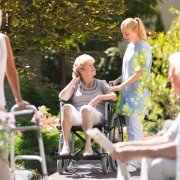
October is observed as Long-Term Care Planning Month, a reminder that preparing for the future is one of the most meaningful gifts families can give themselves and their loved ones. This month raises awareness for families and serves as an encouragement for them to explore long-term care plans. As people age, their needs evolve, and having a thoughtful plan ensures support, safety, and comfort when they are needed most. For many families, Assisted Living Facilities are central to these plans, offering care options that balance independence with peace of mind.

Why Families Should Plan Ahead

Long-term care planning is about more than anticipating medical needs—it’s about ensuring peace of mind. By planning early, families can explore options without the stress of last-minute decisions.

  • Anticipating changing health needs – As we age, health concerns may arise. Planning allows families to prepare for these changes and tailor care to specific needs.
  • Cost and financial security – Long-term care can be a significant expense. Early planning enables families to explore various insurance, savings, and other financial options that can help alleviate future financial burdens.
  • Care options and access to services – Starting early ensures families have more options to choose from, whether selecting an assisted living community, arranging specialized therapies, or even considering in-home care.
  • Peace of mind – Having a plan in place eases uncertainty for seniors and their families, allowing everyone to focus on enjoying time together instead of worrying about last-minute decisions.

With thoughtful preparation, families can make confident choices that ensure their loved ones receive the proper care at the right time.

The Role of Assisted Living Facilities in Planning

When considering future care, Assisted Living Facilities provide flexibility and support that grows with residents’ needs. They focus not only on health but also on maintaining independence and quality of life. Families often turn to these communities because they offer:

  • Flexible care – Help with daily activities such as bathing, dressing, or medication management, with the ability to increase support as needs change.
  • Medical support – On-site staff and coordinated healthcare services that monitor physical well-being.
  • Lifestyle options – Programs for fitness, hobbies, social events, and shared dining that encourage active, engaging lives.
  • Safe environments – Secure settings with staff available 24/7, ensuring both comfort and peace of mind.

Including Assisted Living Facilities in long-term planning ensures seniors can age with dignity while enjoying vibrant community life.

How to Start the Conversation

Discussing long-term care may feel overwhelming, but early, open conversations make the process easier. Families can:

  • Choose the right moment – Select a calm, private time where everyone feels at ease.
  • Be honest and empathetic – Acknowledge concerns and hopes with understanding.
  • Focus on goals – Talk about what matters most, such as independence, safety, or social connection.
  • Gather information – Research options, tour local facilities, and review financial plans together.
  • Keep it ongoing – Revisit the conversation as health, finances, and preferences evolve.

These conversations foster a shared understanding, ensuring that decisions reflect the values of the entire family.

Long-Term Care Planning Month is not just about preparing for the future, but it is also about creating peace of mind today. By addressing health needs, financial considerations, and lifestyle preferences early on, families can make informed choices that alleviate worry and bolster confidence. With the support of Assisted Living Facilities, seniors can look forward to safe, engaging, and fulfilling lives at every stage of aging.

For excellent care, click here and learn more about Rihcmont Senior Living.


Richmont Senior Living is proud to serve Ashland, NE and the surrounding cities: Memphis, Springfield, South Bend, Greenwood, Murdock, Waverly, Murdock, Ithaca, and Chalco

Taking Care of Emotional Wellness in Assisted Living

Emotional wellness is a vital part of overall health, especially for older adults. The month of October, recognized as the country’s Emotional Wellness month, is an opportunity to take control of our emotional well-being. As we age, we face life changes that can impact our well-being, from adjusting to new routines to managing health challenges. That’s why supporting emotional well-being is just as important as physical care in assisted living.

The Importance of Emotional Wellness in Assisted Living

Emotional wellness directly affects physical health. When seniors feel valued and supported, they are more likely to stay active, eat well, and engage socially. On the other hand, loneliness and stress can increase the risk of depression, high blood pressure, and other health issues. In assisted living, nurturing emotional wellness means:

  • Sense of belonging – Feeling included in a community helps reduce isolation and loneliness. Group meals, shared hobbies, and social events give residents daily opportunities to build friendships and feel connected.
  • Positive self-esteem – Words of encouragement, recognition of achievements, and respect for individuality help residents feel proud of themselves.
  • Resilience and dignity – Life changes such as moving into assisted living or facing health challenges can be complex. With emotional support from staff and peers, residents are better able to adapt while maintaining their independence and hope for the future.
  • Improved physical outcomes – Emotional wellness has a ripple effect. Seniors who feel supported are more likely to eat nutritious meals, sleep better, stay physically active, and experience fewer stress-related health issues.

When communities prioritize these elements, residents not only live longer but also enjoy a higher quality of life.

Strategies to Support Residents’ Emotional Wellness

Creating an uplifting environment requires a variety of activities and approaches. Assisted living communities can support residents by:

  • Counseling services – Providing access to mental health professionals or peer support groups.
  • Group activities – Book clubs, music sessions, or social events that promote laughter and friendships.
  • Creative outlets – Art, journaling, and storytelling that allow residents to express themselves.
  • Mindfulness practices – Gentle yoga, meditation, or breathing exercises to ease stress.
  • Connection with nature – Outdoor walks, gardening, and spending time in fresh air to boost mood.
  • Pet therapy – Interaction with animals that brings comfort and reduces anxiety.
  • Personalized support during transitions – Clear information, familiar belongings, and tailored routines help residents adjust with ease and confidence.

These small but meaningful efforts in assisted living ensure residents feel balanced, valued, and emotionally nourished.

Family’s Role in Emotional Wellness

Families play a crucial role in supporting their loved ones’ emotional well-being, particularly when they reside in assisted living facilities. Simple acts of connection can brighten a resident’s day and strengthen bonds. Families can:

  • Visit regularly – Frequent visits bring comfort and reassurance.
  • Stay in touch – Phone calls, video chats, and letters maintain a daily connection.
  • Share traditions – cook favorite recipes, tell family stories, or celebrate holidays together.
  • Participate in activities – Join community events or wellness programs to show support.
  • Offer encouragement – Remind loved ones of their strengths and the positive contributions they make.
  • Collaborate with staff – Communicate openly with caregivers to stay involved in the resident’s well-being.

When families and staff work together, residents benefit from a community of love and encouragement that improves their emotional wellness. Emotional wellness is the heart of a fulfilling time in assisted living.

Looking for excellent senior care in Nebraska? Click here to learn all about Richmont Senior Living!


Richmont Senior Living is proud to serve Ashland, NE and the surrounding cities: Memphis, Springfield, South Bend, Greenwood, Murdock, Waverly, Murdock, Ithaca, and Chalco

Celebrating Family History Month in Facilities for Alzheimer’s

October is recognized as Family History Month, a time to honor the stories, traditions, and legacies that shape our families and their heritage. For residents living with Alzheimer’s, these celebrations hold even more profound meaning. Remembering family stories can spark joy, provide comfort, and create connections that feel reassuring even when other details may fade. In facilities for Alzheimer’s, Family History Month offers a chance to celebrate not just the past, but the lasting bonds that continue to unite families today.

Why Family Stories Matter in Alzheimer’s Care

Stories are more than words on a page or just memories in the mind; they are anchors to identity and a sense of belonging. For individuals with Alzheimer’s, storytelling has a unique power to reach beyond memory loss. Even when short-term recall becomes difficult, long-term memories often remain vivid through these stories. Hearing familiar family stories or recalling cherished traditions can bring a different kind of comfort and reassurance.

According to memory care experts, storytelling also provides:

  • Emotional comfort – Familiar stories soothe feelings of confusion, depression, or anxiety.
  • Connection – Shared stories strengthen bonds on a deeper level between residents, caregivers, and loved ones.
  • Cognitive engagement – Listening to and responding to stories stimulates the brain, encouraging interaction through the use of memory and language skills.
  • Sense of identity – Telling life stories helps seniors remember their past and affirm their identity. This is especially valuable for those with memory issues, as it serves as a reminder of their journey and reinforces their sense of self-worth.

In Facilities for Alzheimer’s, storytelling is more than an activity; it is a therapeutic tool that fosters dignity, joy, and a sense of belonging.

Activities in Facilities for Alzheimer’s

Celebrating Family History Month can take many creative and meaningful forms, especially when adapted to meet the needs of residents with Alzheimer’s. Some of the most engaging activities include:

  • Reminiscence therapy – Guided conversations around past experiences, favorite holidays, or meaningful milestones help residents reconnect with their personal histories.
  • Photo albums – Looking through family albums allows residents to connect with their loved ones and revisit happy memories visually.
  • Family videos – Watching recorded messages or home videos can trigger recognition, spark smiles, and encourage conversation.
  • Music and traditions – Playing favorite songs or revisiting family traditions often unlocks deep emotional responses.

These activities allow residents to celebrate their lives in ways that feel familiar and comforting. They also provide families with tools to share meaningful moments, even when words are hard to find.

Family Involvement in the Celebration

Family History Month becomes most powerful when families are directly involved. Loved ones can:

  • Join shared storytelling sessions, where residents and families trade memorable stories together.
  • Bring heirlooms, recipes, or photographs that connect generations through familiar traditions.
  • Encourage grandchildren to ask questions and listen to stories, creating new bonds while honoring the old ones.

By engaging families, Facilities for Alzheimer’s transform Family History Month into a beautiful bridge between and across generations. Family History Month reminds us that the stories we carry are treasures that deserve to be told and remembered. In most Alzheimer’s facilities, these stories provide comfort, spark joy, and build connections that strengthen the hearts of every resident and family member involved.

Learn about life at Richmont Senior Living!


Richmont Senior Living is proud to serve Ashland, NE and the surrounding cities: Memphis, Springfield, South Bend, Greenwood, Murdock, Waverly, Murdock, Ithaca, and Chalco

National Book Month: Spooky Reads for Residents in Assisted Living Facilities, Ashland NE

October is National Book Month. It’s a time to celebrate the joy of reading and the stories that bring us together. For seniors, books provide not only entertainment but mental stimulation, opportunities for conversation, and comfort. In Assisted Living Facilities Ashland NE, residents can mark the season with something spooky stories that capture the eerie charm of autumn. From haunted houses to supernatural mysteries, these chilling reads are perfect companions for cozy evenings.

Spooky Reads for Residents in Assisted Living Facilities, Ashland NE

Here are six book recommendations that blend thrills, suspense, and just the right amount of fright:

The Graveyard Book by Neil Gaiman


This tale follows Nobody “Bod” Owens, a boy raised by ghosts after his family is tragically lost. The graveyard setting is both eerie and enchanting, filled with quirky characters who guide Bod through life’s lessons. Seniors may enjoy the way this story balances whimsical charm with themes of belonging and courage, proving that even in the unlikeliest places, family and love endure.

The Sun Down Motel by Simone St. James

In this modern ghost story, a haunted motel in upstate New York hides decades of secrets. The novel alternates between two women from different times who are determined to uncover the truth. The dual timelines and chilling atmosphere make it a suspenseful read that explores resilience and determination, perfect for residents who enjoy puzzles in supernatural suspense.

The Haunting of Hill House by Shirley Jackson

A true classic of horror, this novel centers on a group of strangers who are brought together to investigate a mansion known to be haunted. Eleanor, the protagonist, becomes deeply entangled in the house’s dark power. Seniors who may recall the book’s famous adaptations will appreciate its timeless exploration of fear, loneliness, and the human mind’s vulnerability to suggestion.

The Man in the Picture by Susan Hill

A short yet powerful ghost story, this novella begins with a disturbing painting that depicts a Venetian carnival. The picture holds a creepy secret that traps those who look upon it. Due to its vivid writing and nostalgic feel, this book is particularly engaging for group readings in assisted living, where it often sparks lively discussions about history, art, and cherished memories.

The Deep by Alma Katsu


Blending history with the supernatural, this novel reimagines the Titanic’s voyage through the eyes of survivors haunted by more than just tragedy. The writer layers historical detail with an atmosphere of suspense, making it a hauntingly beautiful story. Residents may connect with the human stories of courage and survival while enjoying the eerie, “what if” elements that keep the pages turning.

The Mist in the Mirror by Susan Hill

Another atmospheric work by Hill, this novel tells of Mr. Monmouth, a man who returns from traveling abroad only to be followed by a mysterious presence. The book offers a slow-burning mystery that rewards patience. Its thoughtful style and vivid imagery are perfect for seniors who enjoy stories that stay with them long after the last page.

National Book Month in Assisted Living Facilities, Ashland NE

Reading these spooky stories is more than just entertainment; it’s an experience that transcends the ordinary. They spark conversations, trigger memories, and promote brain health. In Assisted Living Facilities in Ashland, NE, reading circles allow residents to share the joy of reading together.

Looking for excellent senior care in Nebraska? Click here to learn about Rihcmont Senior Living!


Richmont Senior Living is proud to serve Ashland, NE and the surrounding cities: Memphis, Springfield, South Bend, Greenwood, Murdock, Waverly, Murdock, Ithaca, and Chalco